
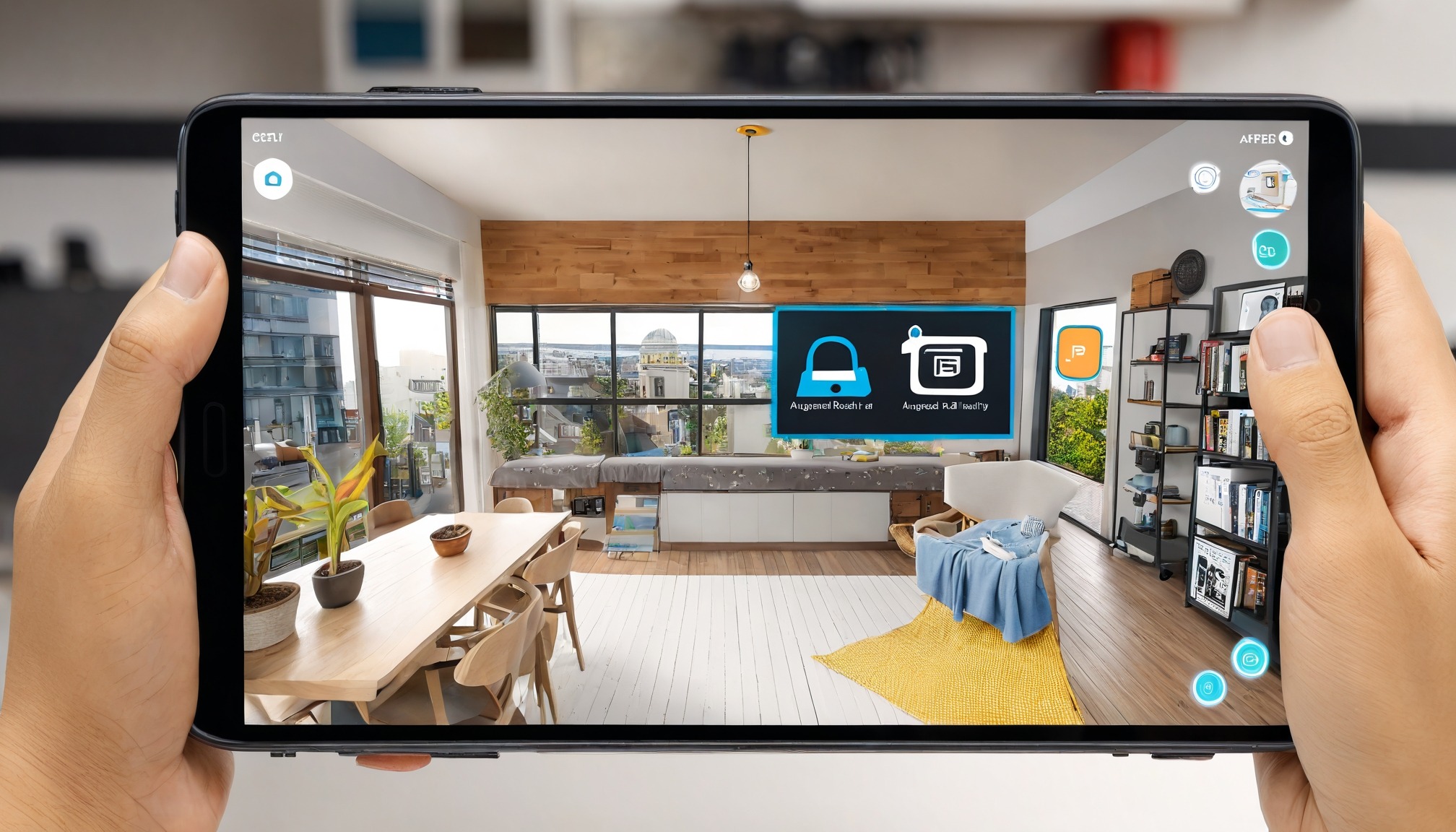
What is Augmented Reality (AR)?
What is Augmented Reality (AR)?
Augmented Reality (AR) is a cutting-edge technology that overlays digital content onto the real world, enhancing our perception and interaction with our environment. Unlike Virtual Reality (VR), which immerses users in a completely virtual environment, AR blends digital elements with the physical world, creating a unique and interactive user experience.
Understanding Augmented Reality
AR leverages advanced technologies, including computer vision, simultaneous localization and mapping (SLAM), and depth tracking to integrate digital information into our physical surroundings. This seamless fusion of the digital and real world is achieved through devices such as smartphones, tablets, AR glasses, and headsets.
Key Components of AR
- Sensors and Cameras: AR devices use sensors and cameras to gather information about the user’s surroundings. These inputs are then processed to accurately place digital content in the real world.
- Processing: AR technology requires significant computational power to process and render digital elements in real-time. This processing is often handled by powerful CPUs and GPUs within the AR device.
- Projection: This component involves the display technology used to project digital content into the user’s view. This can be through screens on devices or projected directly onto surfaces.
- Reflection: Some AR systems use mirrors to assist in aligning the digital overlay with the real world.
- Tracking: Accurate tracking of the user’s position and movements is crucial for a coherent AR experience. Advanced tracking systems ensure that the digital content stays aligned with the real world as the user moves.
Applications of Augmented Reality
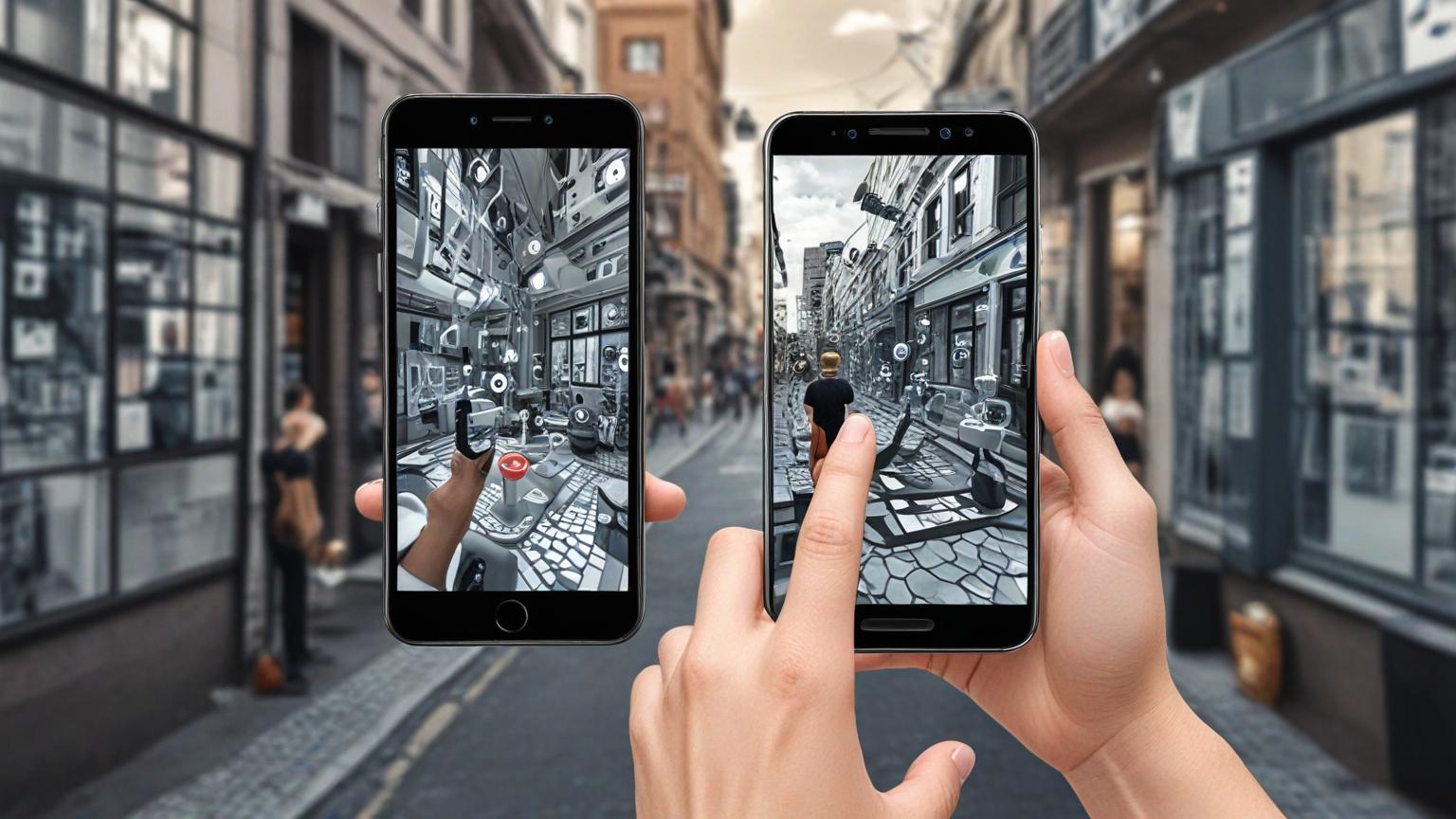
AR has a wide range of applications across various industries, each leveraging the technology to enhance user engagement and efficiency.
Healthcare
In healthcare, AR is revolutionizing surgical procedures, medical training, and patient care. Surgeons can use AR to access real-time data and 3D models during operations, improving precision and outcomes. Medical students benefit from immersive training environments where they can interact with detailed anatomical models.
Education
AR transforms education by creating interactive learning experiences. Students can explore complex subjects through AR applications that bring textbooks to life, visualize scientific phenomena, and engage with historical events in an immersive manner.
Retail
Retailers use AR to enhance the shopping experience. Customers can visualize products in their homes before making a purchase, try on virtual clothing, and access detailed product information through AR-enabled devices.
Gaming and Entertainment
AR has a significant impact on gaming and entertainment, offering immersive experiences that blend digital and real-world elements. Popular games like Pokémon GO have demonstrated the potential of AR to create engaging and interactive experiences.
Real Estate
AR allows potential buyers to take virtual tours of properties, visualize home renovations, and access detailed information about listings, making the home-buying process more efficient and informed.
Manufacturing and Maintenance
In manufacturing, AR aids in training, maintenance, and repair. Workers can access real-time instructions and 3D models, reducing errors and improving efficiency on the factory floor.
Future of Augmented Reality
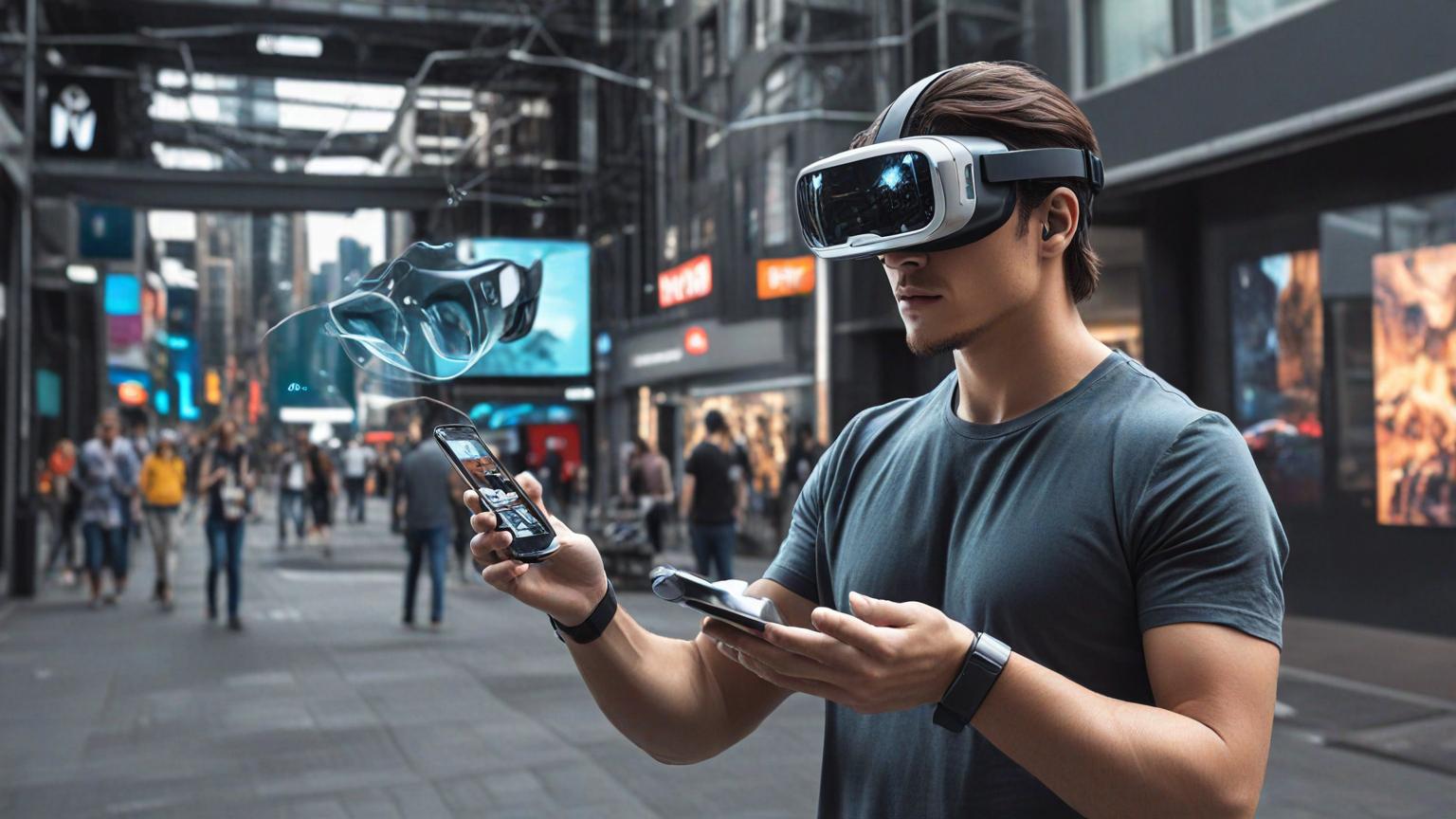
The future of AR holds immense potential as the technology continues to evolve. Advancements in hardware and software are driving the development of more sophisticated and accessible AR solutions.
Enhanced User Interfaces
Future AR systems will feature more intuitive and natural user interfaces, allowing for seamless interaction with digital content. Gesture recognition, voice commands, and eye-tracking technologies will play a crucial role in this evolution.
Integration with Artificial Intelligence
Integrating AR with Artificial Intelligence (AI) will unlock new possibilities. AI can enhance AR experiences by providing context-aware content, predictive analytics, and personalized interactions, making AR more adaptive and intelligent.
Widespread Adoption
As AR technology becomes more affordable and accessible, we can expect widespread adoption across various sectors. From smart cities to augmented workplaces, AR will become an integral part of our daily lives, enhancing how we work, learn, and interact with the world.
Challenges and Considerations
Despite its potential, AR faces several challenges that need to be addressed for broader adoption.
Technical Limitations
Current AR systems have limitations in terms of battery life, processing power, and display quality. Overcoming these technical barriers is essential for creating more immersive and user-friendly AR experiences.
Privacy and Security
AR applications often require access to sensitive data, raising concerns about privacy and security. Ensuring that AR systems are secure and that user data is protected is crucial for building trust and widespread acceptance.
Content Creation
Developing high-quality AR content is a complex and resource-intensive process. Tools and platforms that simplify AR content creation will play a vital role in the technology’s future growth.
User Acceptance
Educating users about the benefits and potential of AR is essential for driving adoption. Addressing user concerns and demonstrating the practical advantages of AR will help overcome skepticism and resistance.
Conclusion
Augmented Reality is a transformative technology with the potential to revolutionize various industries. From healthcare and education to retail and entertainment, AR is enhancing our interaction with the world by blending digital content with our physical surroundings. As AR technology continues to evolve, we can expect even more innovative and impactful applications that will shape the future of human-computer interaction.