
What is 6G Technology?
The landscape of telecommunications is on the brink of another revolutionary leap forward with the advent of 6G cellular communications. This article delves into the intricacies of 6G technology, its potential applications across various sectors, the challenges it faces, and the future outlook.
Introduction
In the ever-evolving world of telecommunications, each successive generation of cellular technology has brought about significant advancements in connectivity, speed, and capabilities. As we stand on the precipice of the 6G era, the anticipation and speculation surrounding its potential are at an all-time high.
What is 6G Technology?
6G refers to the sixth generation of cellular technology, succeeding the current standard, 5G. While 5G has already begun to revolutionize mobile networks with its enhanced speed and capacity, 6G aims to push these boundaries even further.
Evolution from 5G to 6G
Building upon the foundation laid by 5G, 6G promises to be exponentially faster and more responsive. It envisions data transfer rates that surpass anything previously imagined, along with ultra-low latency that enables real-time communication on a global scale.
The Technological Innovations of 6G
6G is not merely an incremental upgrade; it represents a paradigm shift in wireless communication technology.
Advancements in Speed and Latency
One of the defining features of 6G will be its unparalleled speed, potentially reaching terabits per second. This will facilitate instantaneous downloads, seamless streaming of 3D and virtual reality content, and enhanced gaming experiences.
Integration of Artificial Intelligence
Another groundbreaking aspect of 6G is its integration with artificial intelligence (AI). AI-powered networks will optimize resource allocation, predict user behavior, and autonomously manage network traffic, thereby improving efficiency and reliability.
Potential Applications of 6G
The applications of 6G extend far beyond traditional mobile communications, promising to revolutionize various industries and societal functions.
Enhancing Internet of Things (IoT)
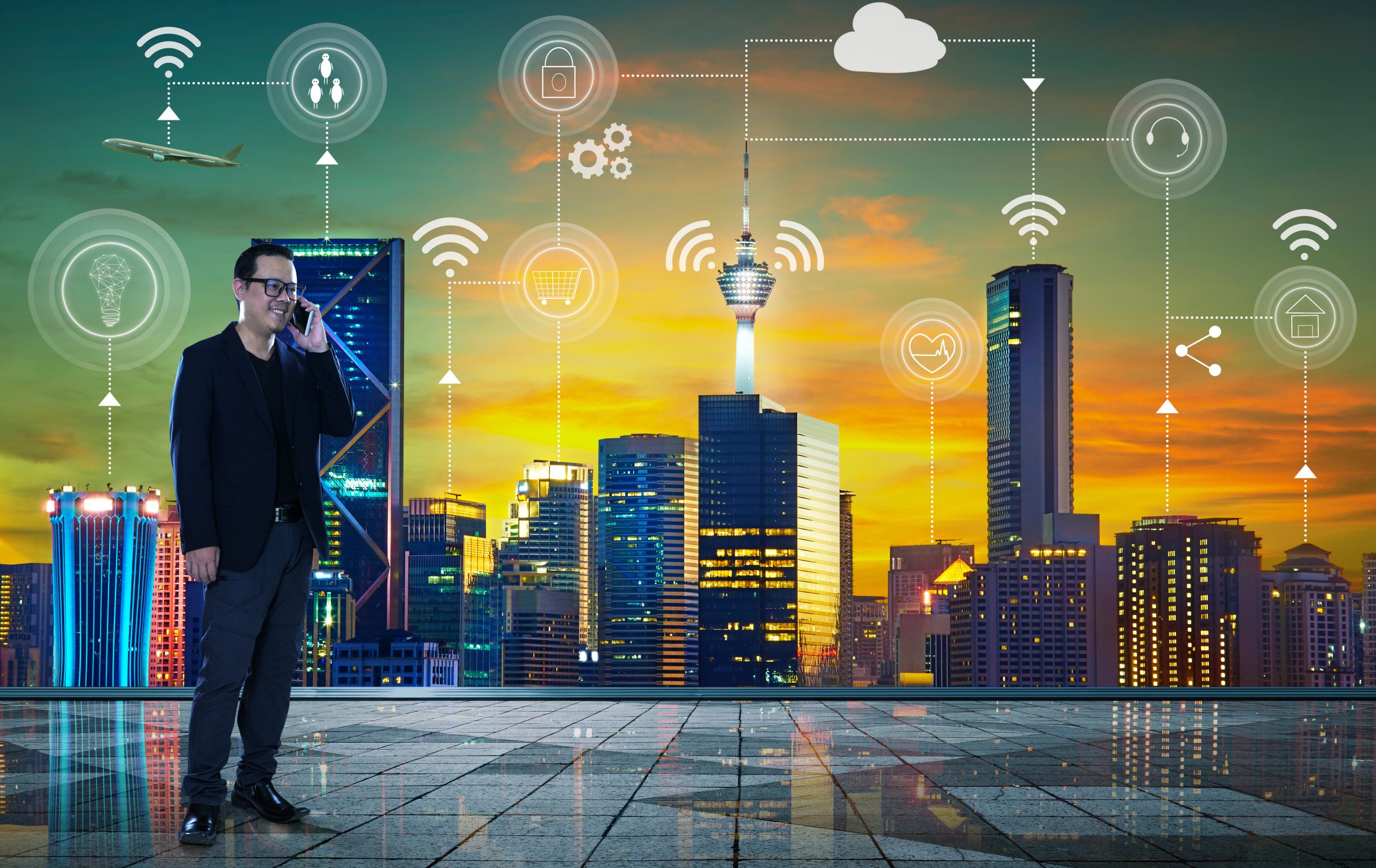
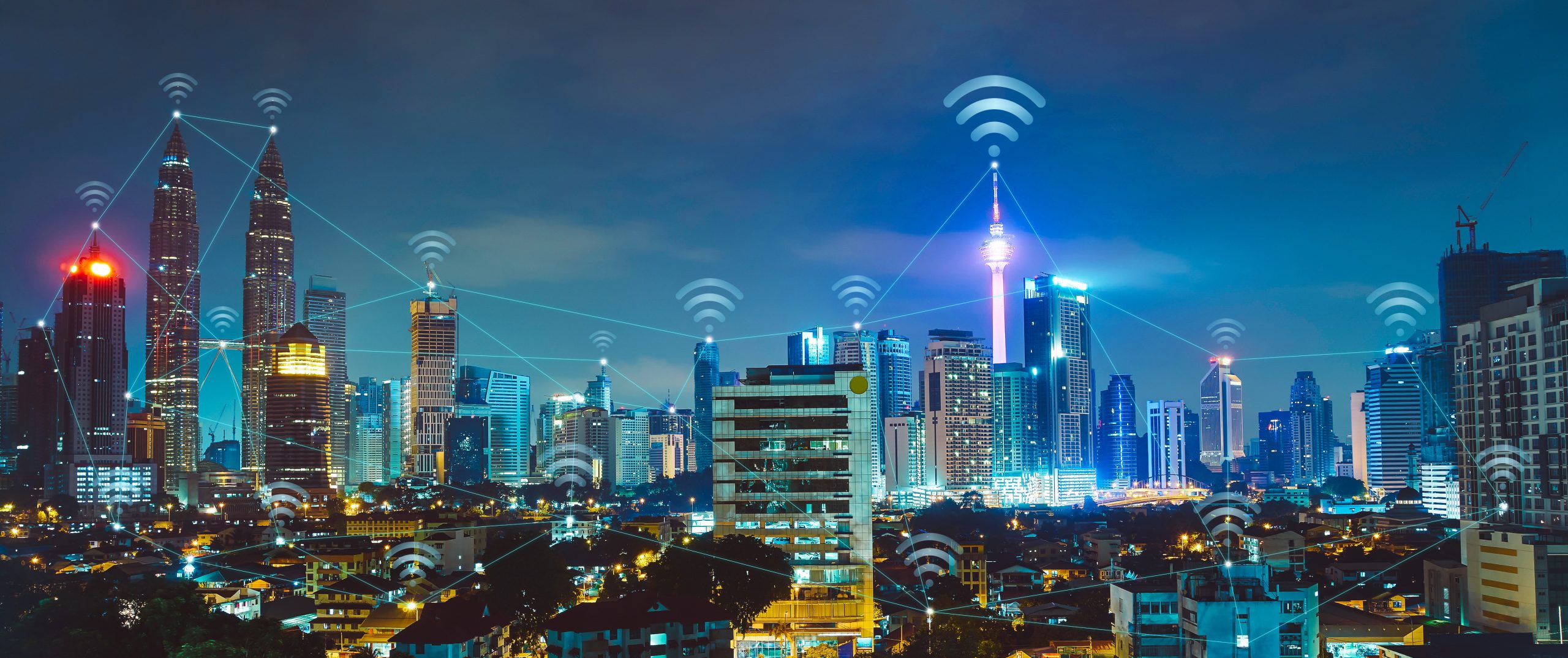
6G will play a pivotal role in advancing the Internet of Things (IoT), enabling interconnected devices to communicate effortlessly and securely. This will lead to smarter cities, autonomous transportation systems, and efficient infrastructure management.
Revolutionizing Healthcare Services
In healthcare, 6G could enable remote surgeries with real-time haptic feedback, telemedicine consultations with augmented reality overlays, and pervasive health monitoring through wearable devices.
Environmental and Societal Impacts of 6G
As with any technological advancement, 6G brings both opportunities and challenges, particularly concerning its environmental footprint and societal implications.
Energy Efficiency Considerations
Efforts are underway to ensure that 6G networks are not only faster but also more energy-efficient. Innovations such as AI-driven power management and renewable energy integration aim to minimize carbon emissions and promote sustainability.
Social Connectivity and Global Accessibility
6G has the potential to bridge the digital divide by providing high-speed internet access to remote and underserved regions. This could facilitate economic development, improve educational opportunities, and enhance social connectivity worldwide.
Challenges in Developing 6G
Despite its promise, the development and deployment of 6G technology are fraught with challenges that need to be addressed.
Technological Hurdles to Overcome
Key technological challenges include developing new antenna technologies capable of handling higher frequencies, optimizing spectrum allocation, and ensuring seamless interoperability with existing networks.
Regulatory and Policy Frameworks
The rollout of 6G will require robust regulatory frameworks to address privacy concerns, spectrum licensing, and international standards. Collaboration between governments, industry stakeholders, and academia will be crucial to navigating these complexities.
The Global Race for 6G Dominance
Several countries and technology companies are actively competing to lead the global race for 6G dominance.
Key Players in the Industry
Countries like the United States, China, South Korea, and European nations are investing heavily in research and development to gain a competitive edge in 6G technology. Companies such as Huawei, Samsung, Nokia, and Ericsson are at the forefront of innovation in this space.
Economic Implications and Market Forecasts
The economic impact of 6G is projected to be substantial, with estimates suggesting trillion-dollar revenue potential across various sectors including telecommunications, healthcare, manufacturing, and entertainment.
Future Outlook: What to Expect from 6G
While 6G networks are still in the early stages of development, industry experts predict a gradual rollout over the next decade.
Timeline for Deployment
Initial commercial deployments of 6G are expected to begin around 2030, with full-scale adoption projected by the mid-2030s. However, these timelines may vary depending on technological advancements and regulatory developments.
Consumer Adoption and Expectations
As with previous generations of cellular technology, consumer adoption of 6G will depend on factors such as affordability, device compatibility, and perceived benefits. Early adopters are likely to include tech enthusiasts, businesses requiring high-speed connectivity, and industries reliant on IoT applications.
Conclusion
In conclusion, 6G cellular communications represent a transformative leap forward in wireless technology, promising unprecedented speed, connectivity, and innovation across various sectors. While there are challenges to overcome, the potential benefits of 6G far outweigh the obstacles, paving the way for a more connected and efficient future.