
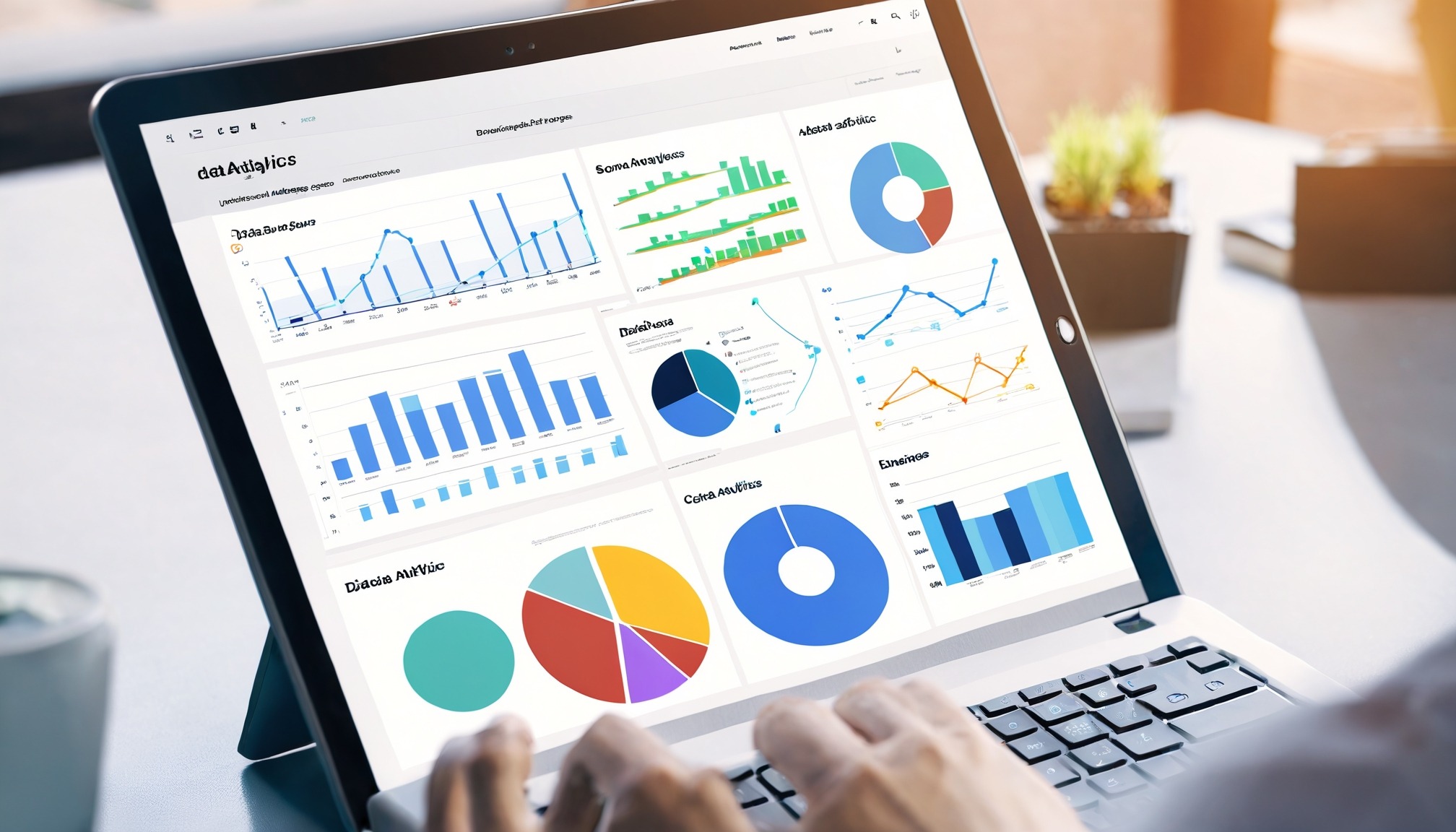
The Power of Machine Learning in Data Analytics
In the digital age, data has become one of the most valuable assets for businesses. Companies are inundated with vast amounts of data from various sources, and the challenge lies in making sense of this data to derive actionable insights. This is where data analytics comes into play, providing the tools and techniques necessary to analyze data. However, with the advent of machine learning (ML), the landscape of data analytics has been revolutionized, offering unprecedented capabilities to extract meaningful patterns and predictions from complex datasets.
Understanding Machine Learning
Machine learning is a subset of artificial intelligence (AI) that involves training algorithms to learn from and make predictions based on data. Unlike traditional programming, where rules are explicitly coded, machine learning models identify patterns and relationships within the data to make decisions or predictions. This ability to learn from data without being explicitly programmed is what sets machine learning apart and makes it a powerful tool in data analytics.
Enhancing Predictive Analytics
Predictive analytics involves using historical data to predict future outcomes. Machine learning enhances predictive analytics by automating the process of identifying trends and patterns. For instance, in the financial sector, machine learning algorithms can analyze vast amounts of historical stock data to predict future market trends. Similarly, in retail, machine learning can forecast demand for products based on past sales data, seasonal trends, and even social media sentiment.
Improving Accuracy and Efficiency
One of the significant advantages of machine learning in data analytics is its ability to handle large and complex datasets with high accuracy and efficiency. Traditional data analysis methods might struggle with the volume, variety, and velocity of big data, but machine learning algorithms excel in these environments. They can process terabytes of data in real-time, providing timely insights that are crucial for decision-making in fast-paced industries such as finance, healthcare, and e-commerce.
Personalization and Customer Insights
Machine learning has transformed how businesses understand and interact with their customers. By analyzing customer data, machine learning models can identify individual preferences and behaviors, enabling businesses to offer personalized experiences. For example, recommendation systems used by companies like Amazon and Netflix are powered by machine learning algorithms that analyze user behavior to suggest products or content tailored to individual preferences. This level of personalization not only enhances customer satisfaction but also drives sales and customer loyalty.
Fraud Detection and Risk Management
In sectors like banking and insurance, machine learning is instrumental in detecting fraudulent activities and managing risks. Traditional rule-based systems often fail to keep up with the evolving tactics of fraudsters. Machine learning models, however, can continuously learn and adapt to new patterns of fraudulent behavior. They analyze transaction data in real-time, flagging anomalies that might indicate fraud. This proactive approach to fraud detection helps in mitigating losses and protecting customers.
Healthcare and Medical Research
The healthcare industry has greatly benefited from the integration of machine learning in data analytics. Machine learning algorithms are used to analyze medical records, genomic data, and clinical trial data to identify patterns that can lead to breakthroughs in treatment and disease prevention. For instance, machine learning models can predict patient outcomes, recommend personalized treatment plans, and even assist in diagnosing diseases at an early stage. This has the potential to significantly improve patient care and reduce healthcare costs.
Challenges and Considerations
Despite its numerous benefits, the implementation of machine learning in data analytics is not without challenges. One of the primary concerns is the quality of data. Machine learning models are only as good as the data they are trained on, so ensuring data accuracy, completeness, and relevance is crucial. Additionally, there are ethical considerations related to data privacy and security. Organizations must ensure that their use of machine learning complies with data protection regulations and that customer data is handled responsibly.
The Future of Machine Learning in Data Analytics
The future of machine learning in data analytics looks promising, with continuous advancements in technology and algorithms. As more organizations recognize the value of machine learning, its adoption will become more widespread, leading to more sophisticated and accurate data analytics solutions. Innovations such as deep learning, which involves neural networks with many layers, are expected to further enhance the capabilities of machine learning, opening up new possibilities for data-driven decision-making.
In conclusion, the integration of machine learning in data analytics has transformed the way businesses analyze and interpret data. Its ability to handle large datasets, improve predictive accuracy, and provide personalized insights makes it an invaluable tool in today’s data-driven world. As technology continues to evolve, the power of machine learning in data analytics will only grow, offering even greater potential for innovation and growth.