
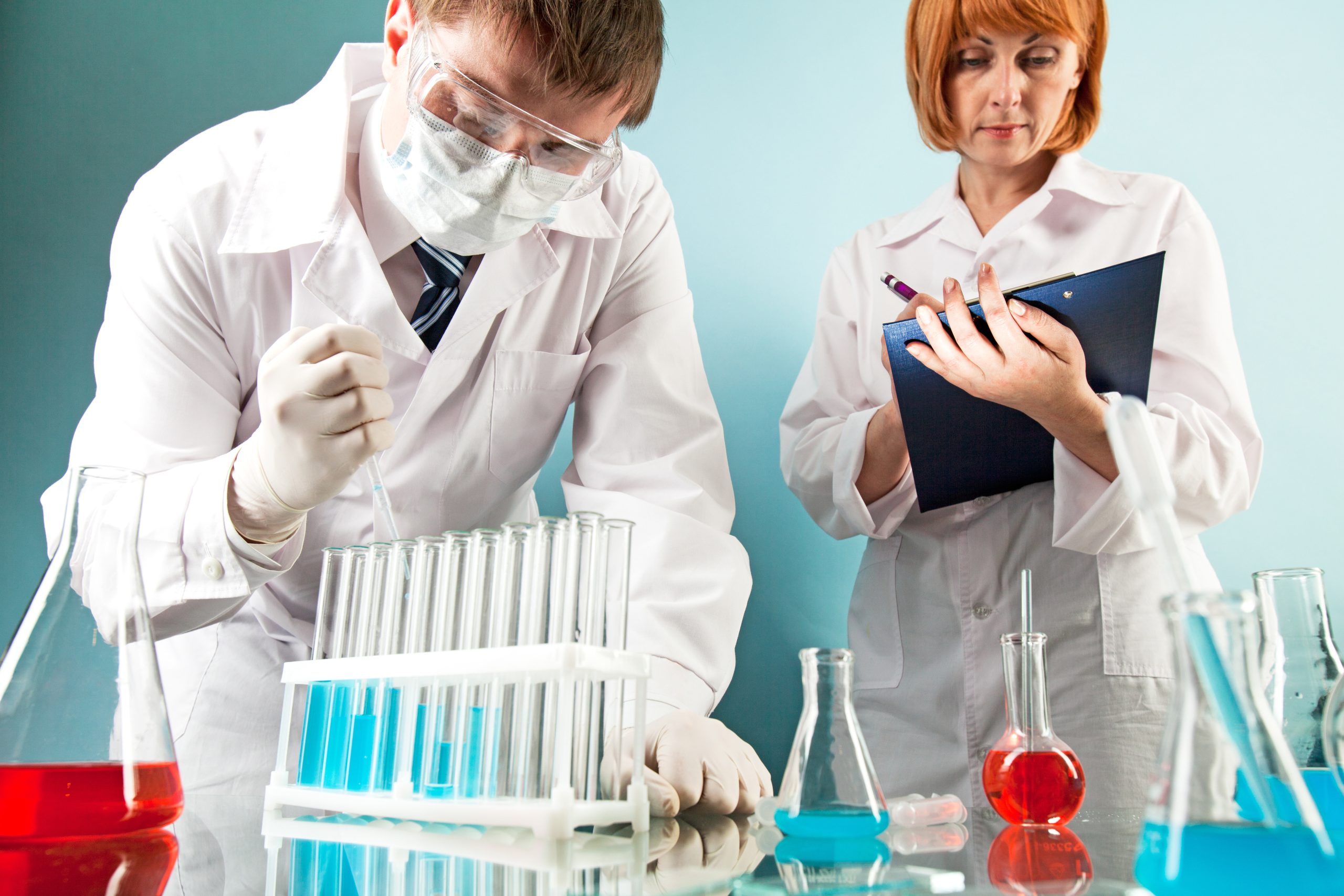
The Dawn of Biotechnology
Introduction
Biotechnology stands at the forefront of innovation, merging the principles of biology with cutting-edge technology to create groundbreaking solutions across various sectors. From healthcare advancements to agricultural improvements, biotechnology is transforming our world at an unprecedented pace. This article delves into the dawn of biotechnology, exploring its historical roots, current applications, and future potential.
Historical Roots of Biotechnology
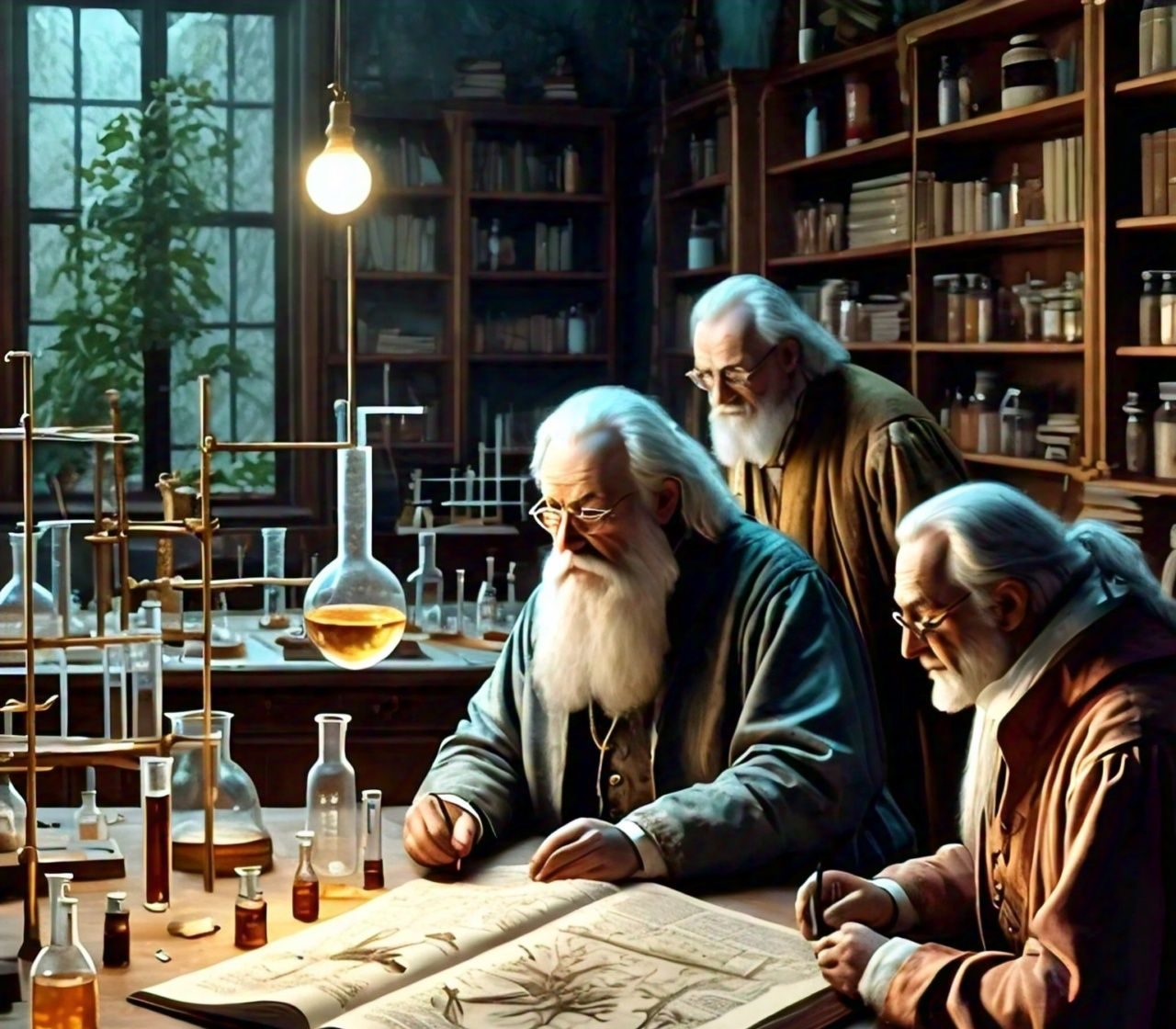
The journey of biotechnology began thousands of years ago with the use of natural processes in everyday life. Fermentation is one of the earliest examples, where humans utilized microbial activity to produce bread, beer, and wine. However, the field truly began to evolve in the mid-20th century with significant scientific discoveries.
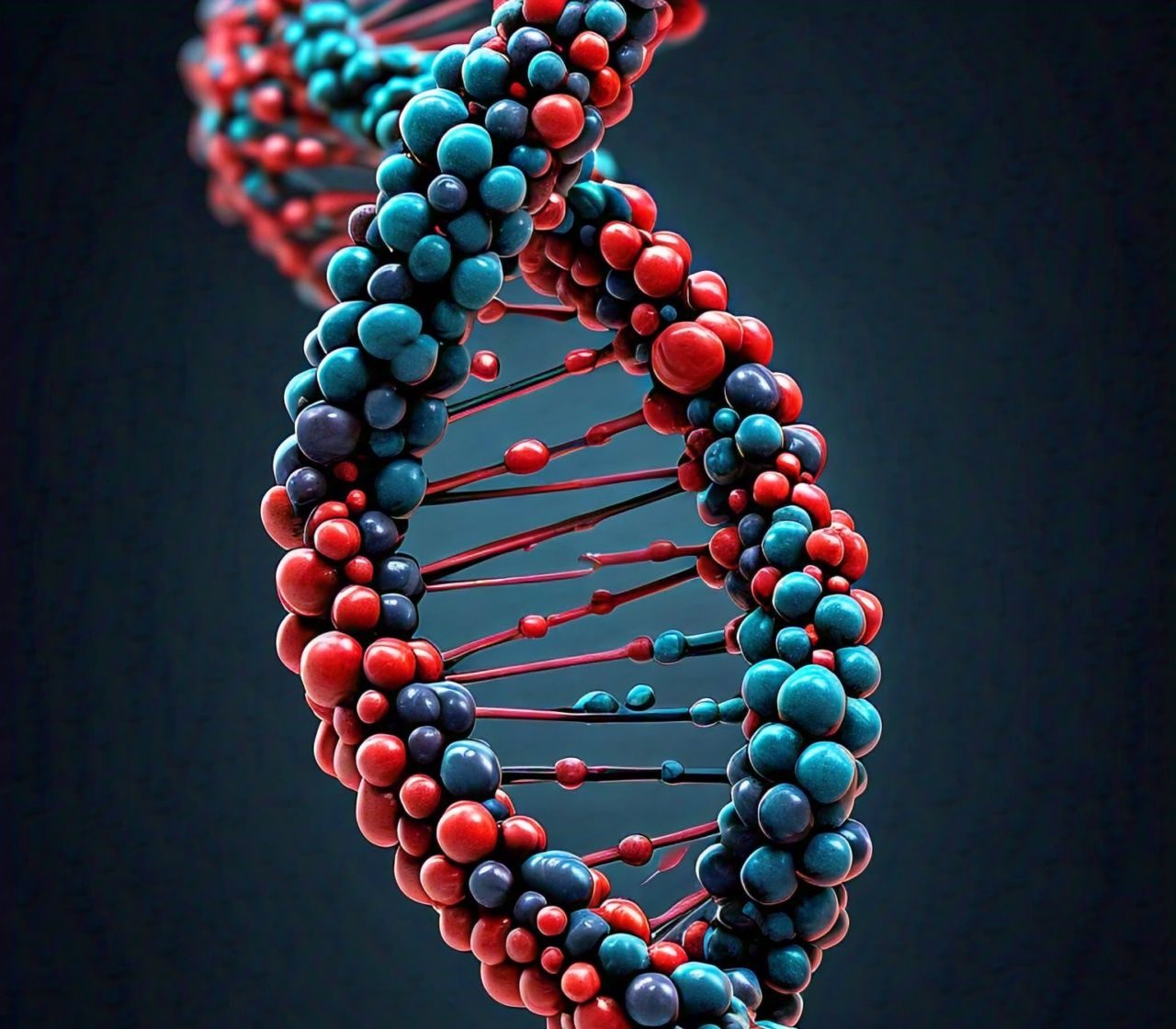
The discovery of the DNA double helix structure by James Watson and Francis Crick in 1953 marked a pivotal moment in biotechnology. This breakthrough paved the way for genetic engineering, allowing scientists to manipulate genetic material to achieve desired traits in organisms. The development of recombinant DNA technology in the 1970s further accelerated the field, leading to the creation of genetically modified organisms (GMOs) and the first biopharmaceuticals.
Current Applications of Biotechnology
Today, biotechnology is a diverse and dynamic field with applications spanning multiple industries. Some of the most notable areas include:
Medical Biotechnology
Medical biotechnology has revolutionized healthcare by introducing innovative treatments and diagnostic tools. Genetic engineering and gene therapy are at the forefront, offering solutions to previously incurable genetic disorders. Biopharmaceuticals, such as insulin and monoclonal antibodies, have improved the management of diseases like diabetes and cancer.
CRISPR-Cas9 technology, a recent breakthrough in gene editing, allows precise modifications to DNA, holding promise for curing genetic diseases and advancing personalized medicine. Additionally, biotechnology has enabled the development of vaccines, including those for COVID-19, through rapid and efficient processes.
Agricultural Biotechnology
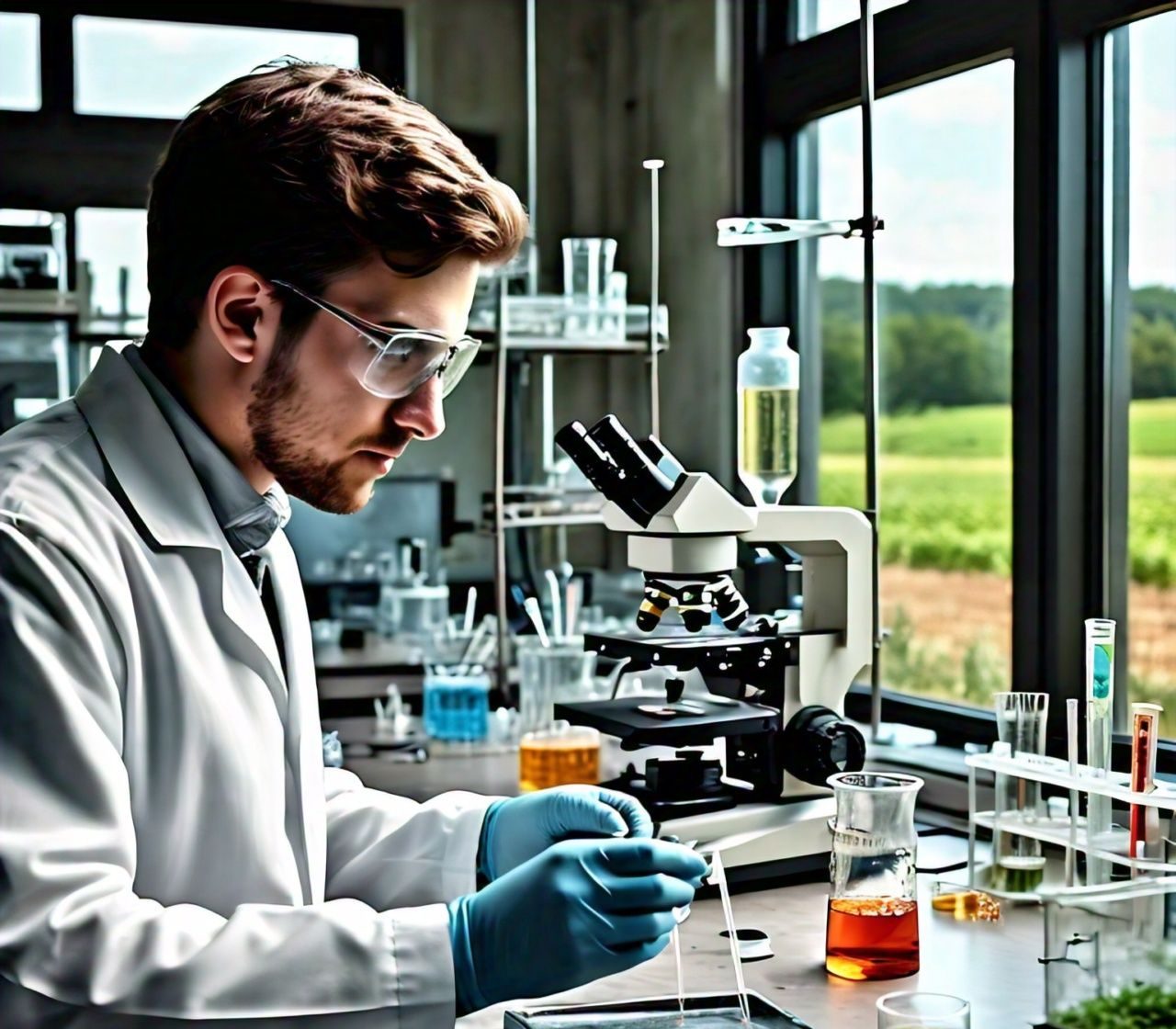
Agricultural biotechnology addresses the global challenge of food security by enhancing crop yields and resilience. Genetically modified crops are engineered to resist pests, diseases, and harsh environmental conditions. This not only increases productivity but also reduces the reliance on chemical pesticides and fertilizers, promoting sustainable farming practices.
Bioinformatics and are also playing crucial roles in agriculture. By analyzing genetic data, scientists can develop crops with improved nutritional content and better adaptability to climate change. Synthetic biology enables the creation of novel organisms that can produce biofuels, bioplastics, and other valuable materials.
Environmental Biotechnology

Environmental biotechnology leverages biological processes to address environmental issues. Bioremediation uses microorganisms to clean up contaminated environments, such as oil spills and heavy metal pollution. This eco-friendly approach reduces the environmental impact of industrial activities and restores natural habitats.
In addition, biotechnology is instrumental in developing sustainable energy solutions. Algae-based biofuels are a promising alternative to fossil fuels, offering a renewable and carbon-neutral energy source. Biotechnology also contributes to waste management by enabling the conversion of organic waste into valuable products like compost and bioenergy.
Future Prospects of Biotechnology

The future of biotechnology holds immense promise, driven by continuous advancements in science and technology. Some of the key areas poised for growth include:
Personalized Medicine
Personalized medicine aims to tailor medical treatments to individual patients based on their genetic makeup. Advances in genomics and bioinformatics are making it possible to identify genetic predispositions to diseases and develop customized therapies. This approach promises more effective treatments with fewer side effects, revolutionizing healthcare.
Synthetic Biology
Synthetic biology involves designing and constructing new biological parts, devices, and systems. This emerging field has the potential to create organisms with novel functions, such as bacteria that can produce pharmaceuticals or clean up environmental pollutants. Synthetic biology could lead to breakthroughs in various industries, from healthcare to manufacturing.
Sustainable Biotechnology
As the world grapples with environmental challenges, sustainable biotechnology will play a crucial role in developing eco-friendly solutions. Innovations in bioprocessing and renewable resources will reduce the environmental footprint of industries and contribute to a circular economy. Biotechnology will be key in addressing issues like climate change, resource depletion, and pollution.
Conclusion
The dawn of biotechnology marks the beginning of a new era, where biological systems are harnessed to solve some of the world’s most pressing challenges. From improving human health to ensuring food security and protecting the environment, biotechnology’s impact is profound and far-reaching. As research and development continue to advance, the potential for biotechnology to transform our world is limitless.