
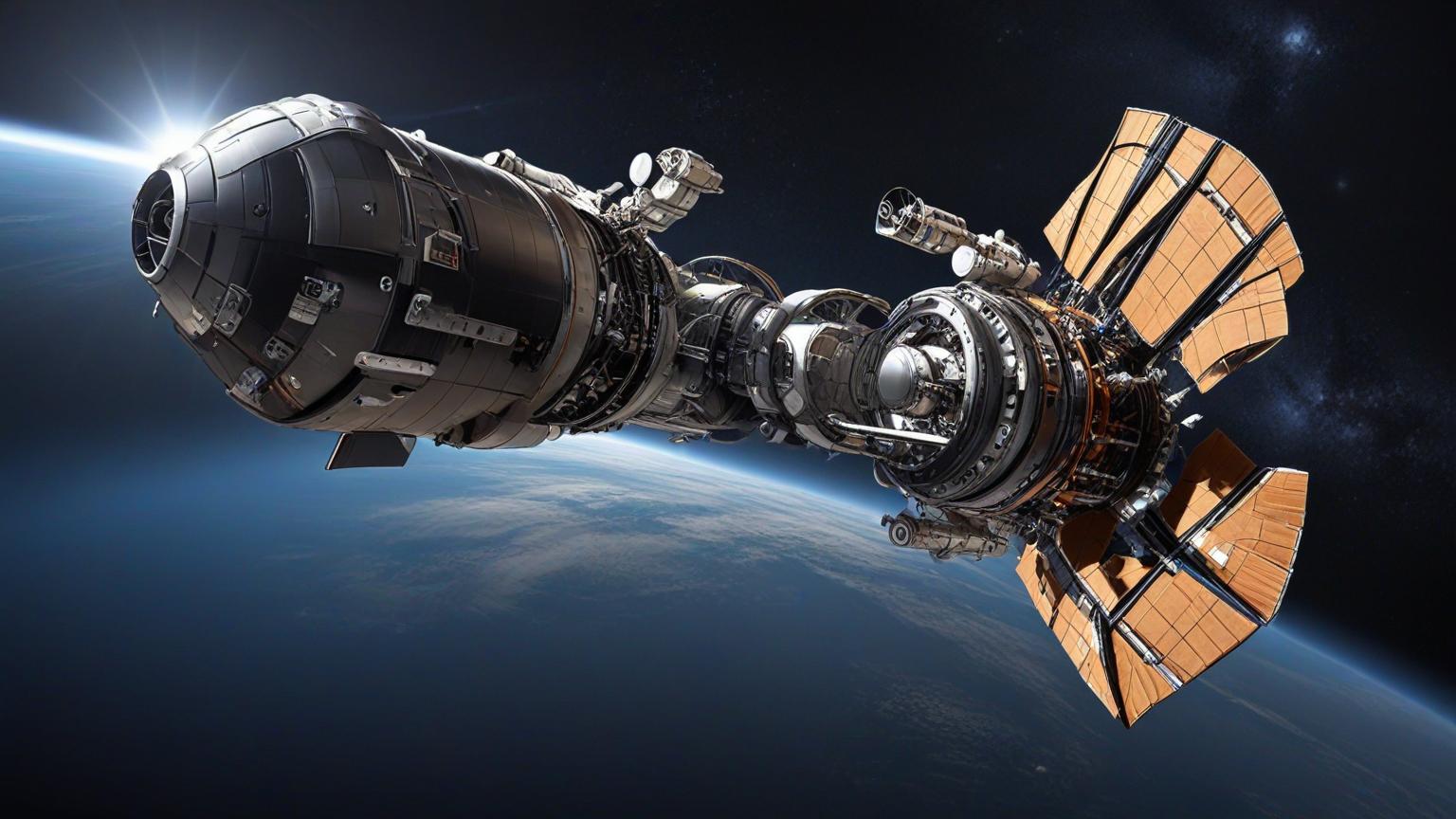
Space Technology: Pushing the Frontiers of Exploration and Innovation
Space technology encompasses a wide range of technological advancements and innovations developed to explore and utilize space. It has not only fueled humanity’s curiosity about the universe but also led to numerous benefits on Earth. From satellites that revolutionize communication to rovers that explore distant planets, space technology continues to evolve and push the boundaries of what is possible.
Historical Milestones
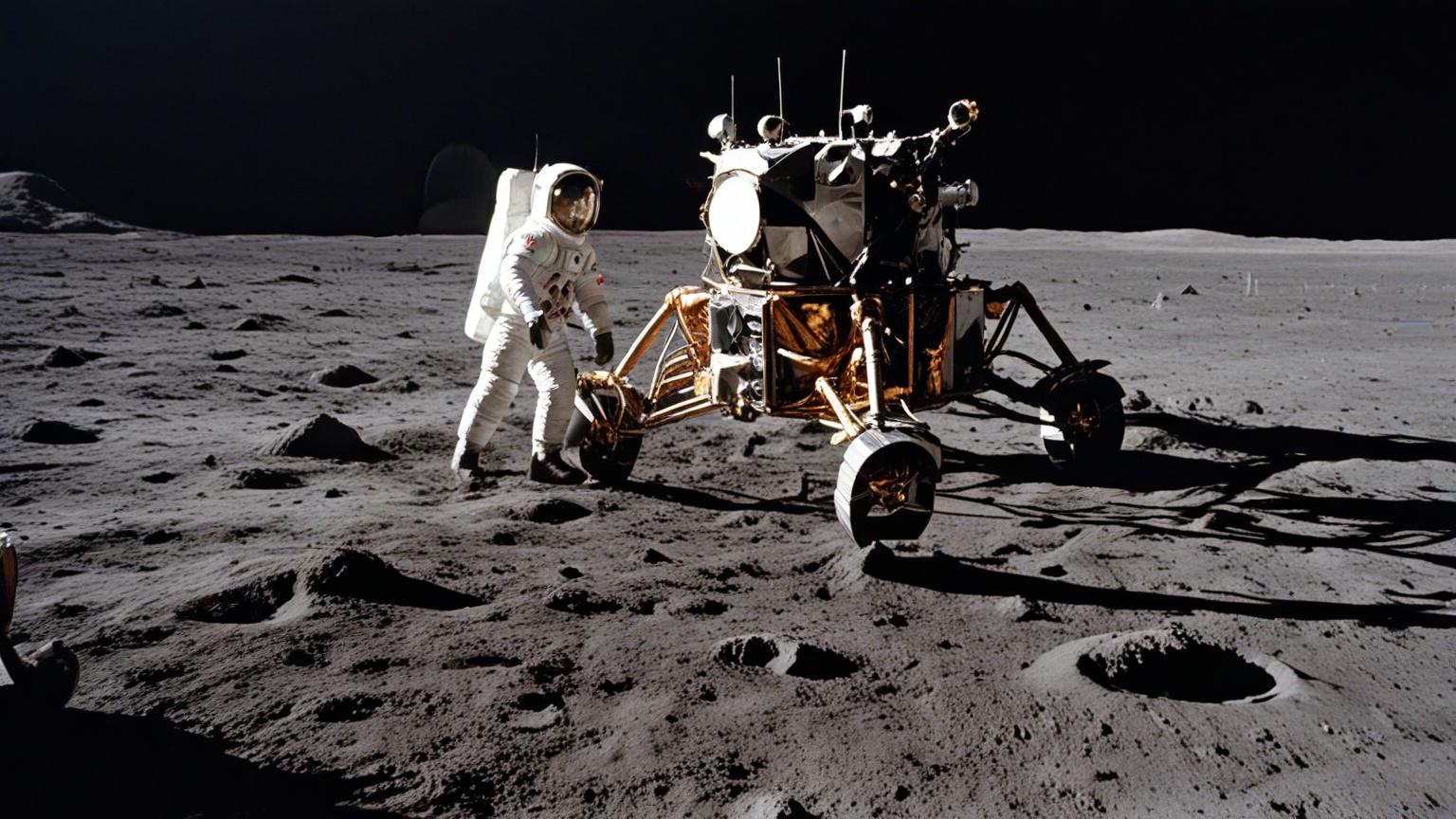
The journey of space technology began with the launch of Sputnik 1 by the Soviet Union in 1957, marking the dawn of the space age. This first artificial satellite demonstrated that human-made objects could orbit Earth. The success of Sputnik 1 spurred a series of advancements, leading to the first human spaceflight by Yuri Gagarin in 1961 and the subsequent Apollo missions, culminating in the historic Apollo 11 moon landing in 1969. These milestones were pivotal, showcasing human capability and ambition in space exploration.
Satellite Technology
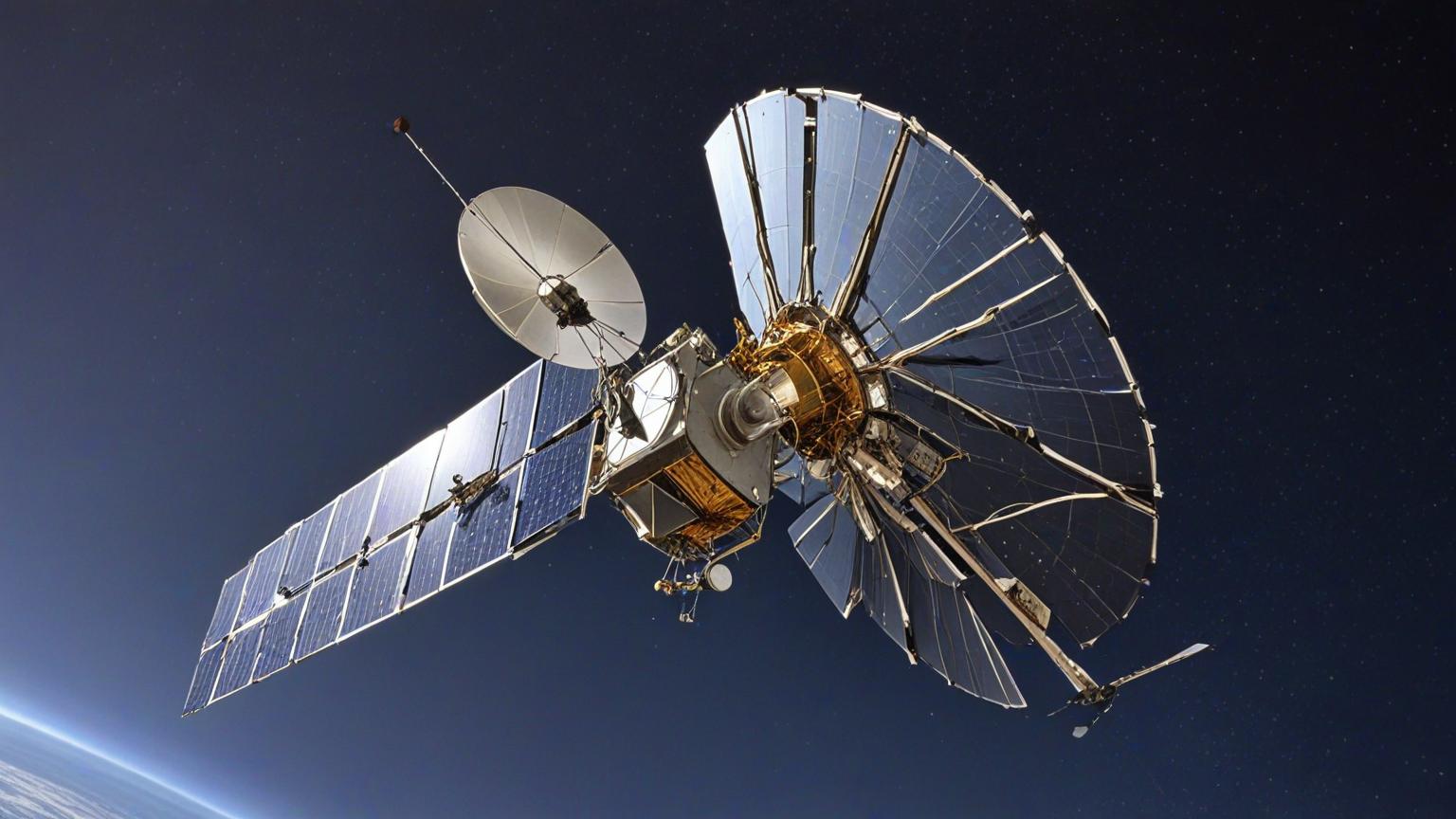
Satellites are among the most significant achievements in space technology. They serve various functions, including communication, weather forecasting, navigation, and scientific research. Communication satellites, like those in the geostationary orbit, facilitate global telecommunications, enabling instant communication across the globe. Weather satellites provide critical data for weather prediction and climate monitoring, helping to mitigate the impact of natural disasters.
Global Positioning System (GPS) satellites have revolutionized navigation and timing, playing a crucial role in various sectors such as transportation, agriculture, and emergency services. Earth observation satellites, like those used in remote sensing, monitor environmental changes, track natural resources, and assist in urban planning. These applications underscore the profound impact of satellite technology on everyday life.
Space Exploration
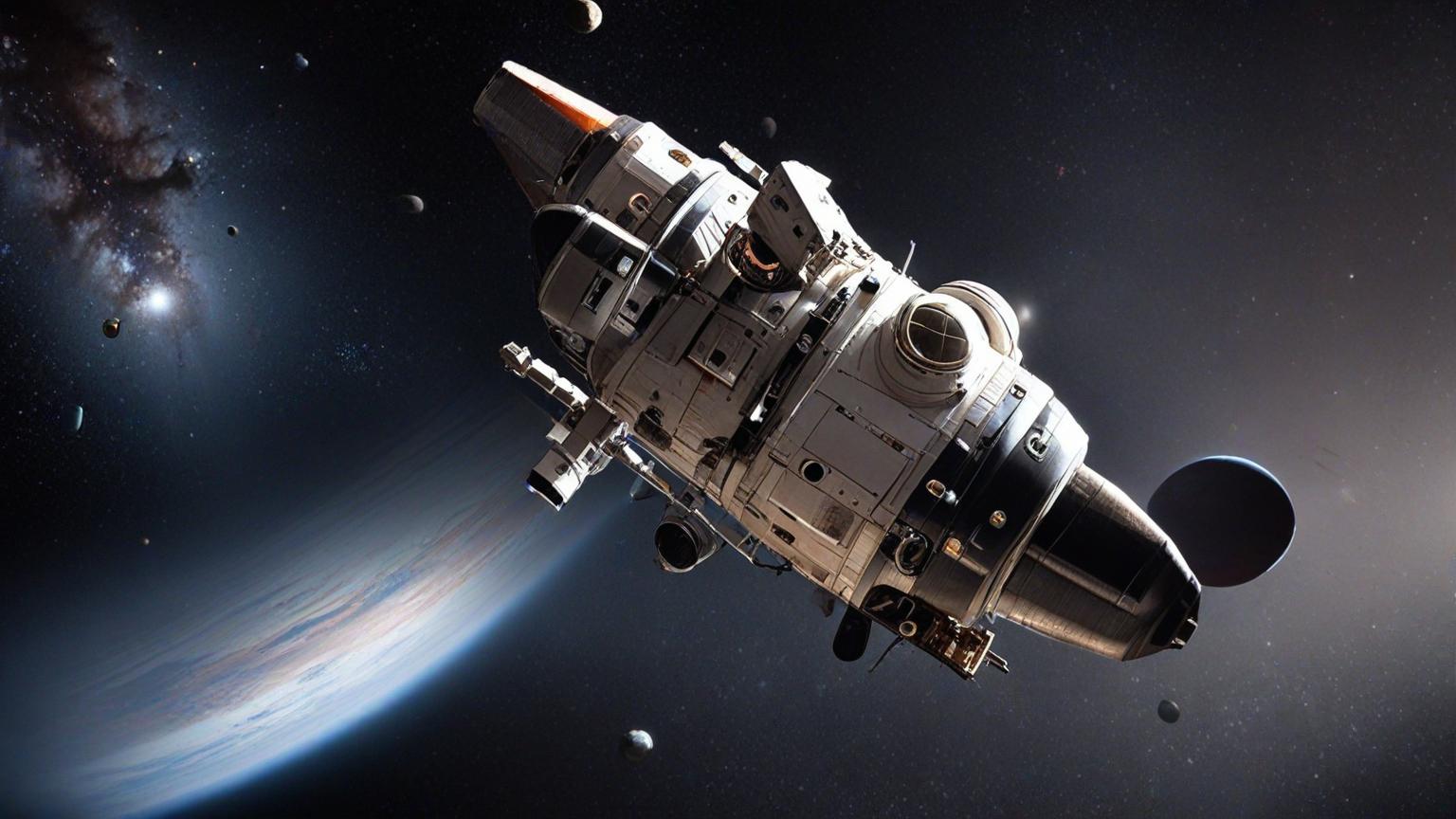
Human and robotic exploration of space has been a major focus of space technology. Robotic missions, such as the Mars rovers Spirit, Opportunity, and Curiosity, have provided invaluable data about the Martian surface, climate, and potential for life. These missions are equipped with advanced scientific instruments to conduct experiments and send data back to Earth, enhancing our understanding of the Red Planet.
Human spaceflight has also made significant strides, with the International Space Station (ISS) serving as a symbol of international collaboration in space. The ISS is a microgravity laboratory where astronauts conduct experiments in biology, physics, astronomy, and other fields, leading to scientific discoveries that benefit life on Earth. Additionally, private companies like SpaceX and Blue Origin are developing reusable rockets and other technologies to make space travel more affordable and sustainable.
Space Technologies for Earth
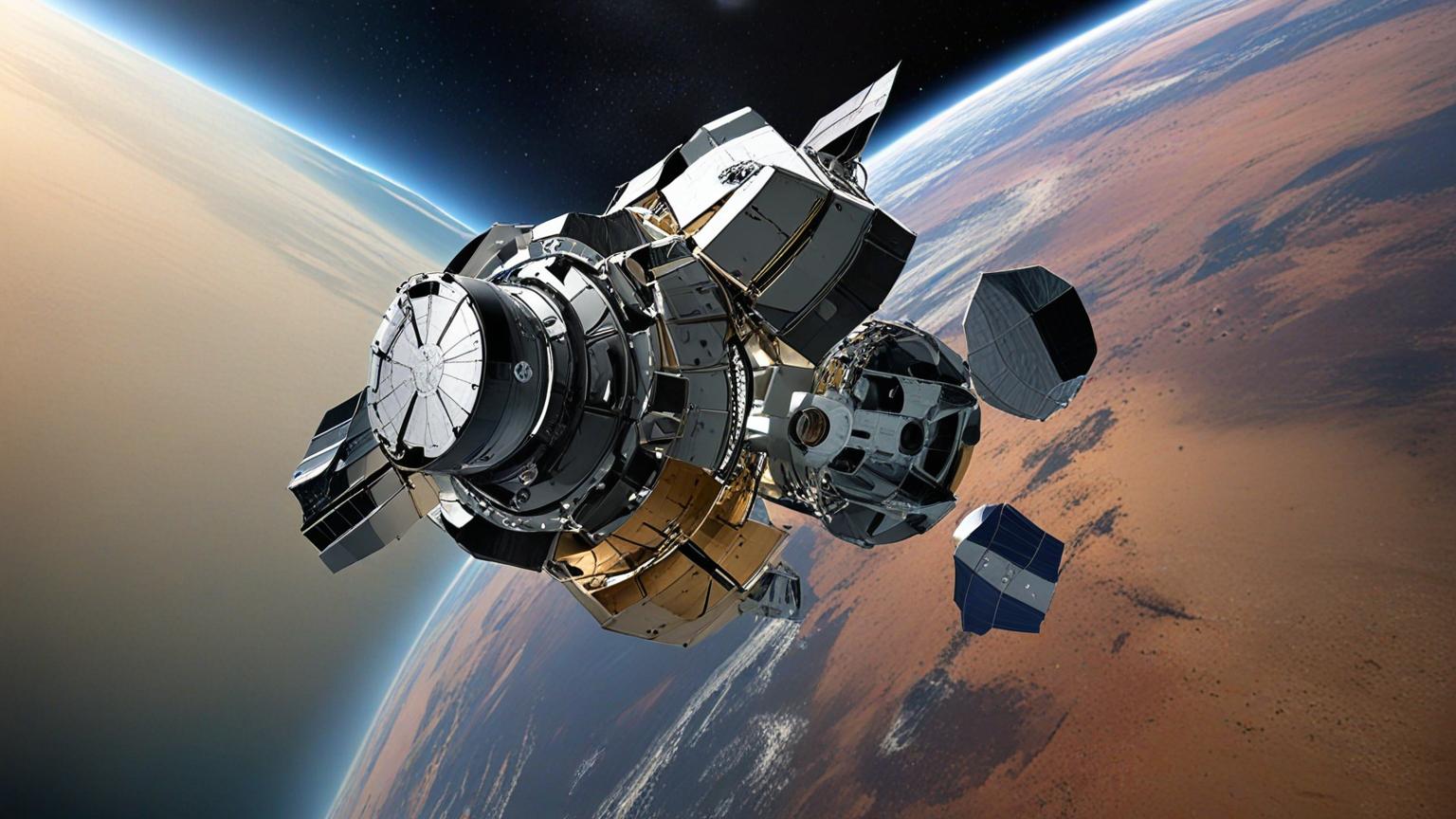
Many technologies developed for space missions have found applications on Earth. For instance, advancements in materials science, such as lightweight and durable materials, have been applied in various industries. The development of miniaturized electronics and sensors for spacecraft has led to innovations in consumer electronics and medical devices.
Water purification systems designed for space missions are now used to provide clean drinking water in remote and disaster-stricken areas. Satellite imagery and data are crucial for environmental monitoring, agriculture, and disaster management. These spin-offs demonstrate how space technology contributes to solving global challenges and improving quality of life.
Future Prospects
The future of space technology holds exciting possibilities. Ambitious missions, such as NASA’s Artemis program, aim to return humans to the Moon and establish a sustainable presence there. This effort is seen as a stepping stone for future human exploration of Mars. The European Space Agency (ESA) and other space agencies are also planning missions to explore asteroids, moons of Jupiter and Saturn, and beyond.
Advancements in propulsion systems, such as ion thrusters and nuclear propulsion, could significantly reduce travel time to distant destinations. The development of space habitats and life support systems will be crucial for long-duration missions. Moreover, the growing interest in space tourism and commercial spaceflight promises to open space to a broader range of participants.
Conclusion
Space technology continues to be a driving force for innovation and exploration. Its applications have transformed various aspects of life on Earth, from communication and navigation to environmental monitoring and disaster management. As we look to the future, space technology will undoubtedly play a crucial role in addressing global challenges, expanding human presence in the solar system, and inspiring the next generation of explorers and scientists. The relentless pursuit of knowledge and discovery in space holds the promise of a better, more interconnected world.