
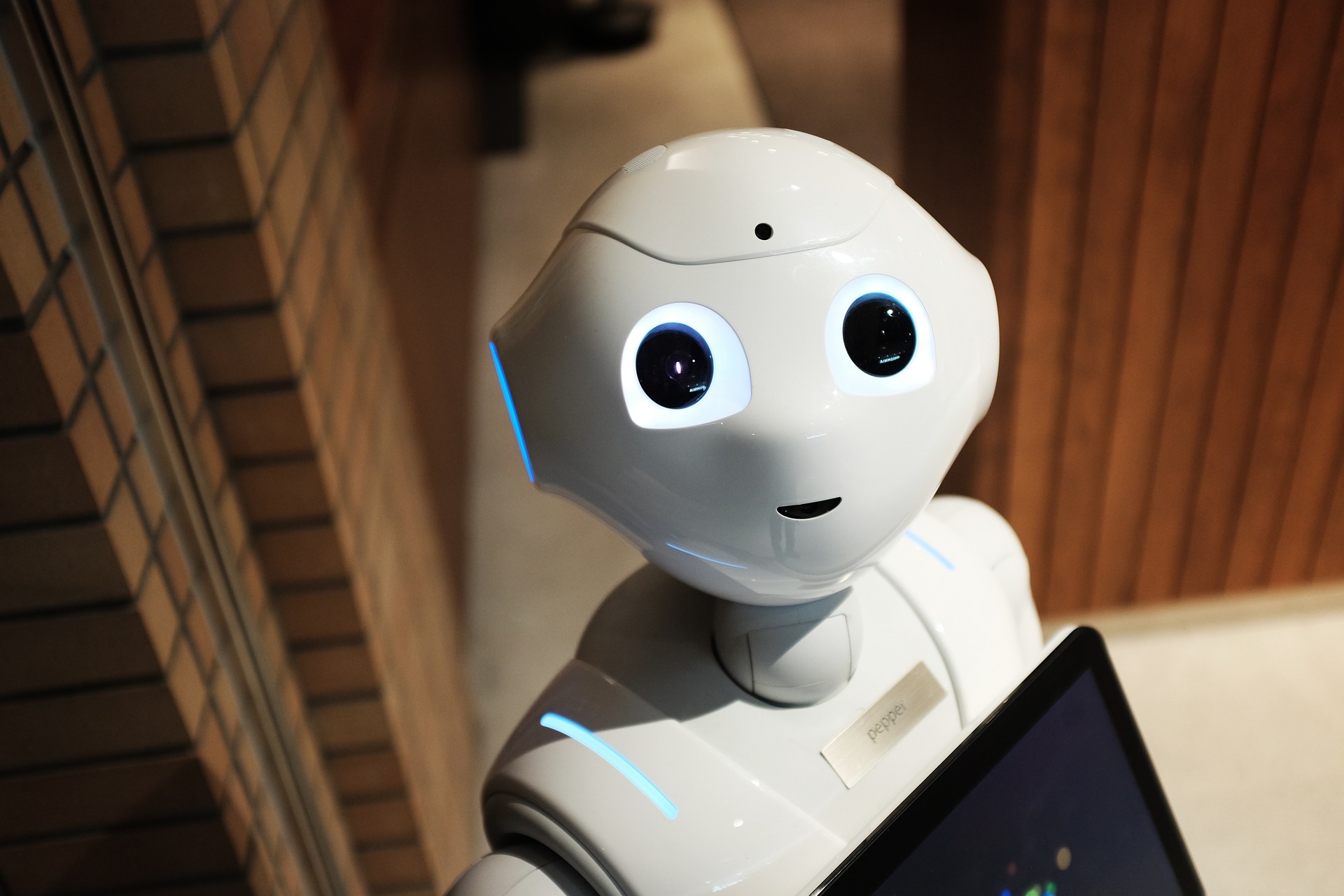
In recent years, robotics has transitioned from the realm of science fiction into everyday reality, profoundly impacting various aspects of daily life. This transformation is driven by advances in artificial intelligence (AI), machine learning, and engineering, which have made robots more capable, versatile, and accessible. The integration of robotics into everyday life offers numerous benefits, from enhancing efficiency and convenience to improving safety and healthcare. This essay explores the various applications of robotics in daily life, highlighting their significance and potential for future development.
Robotics in Domestic Environments
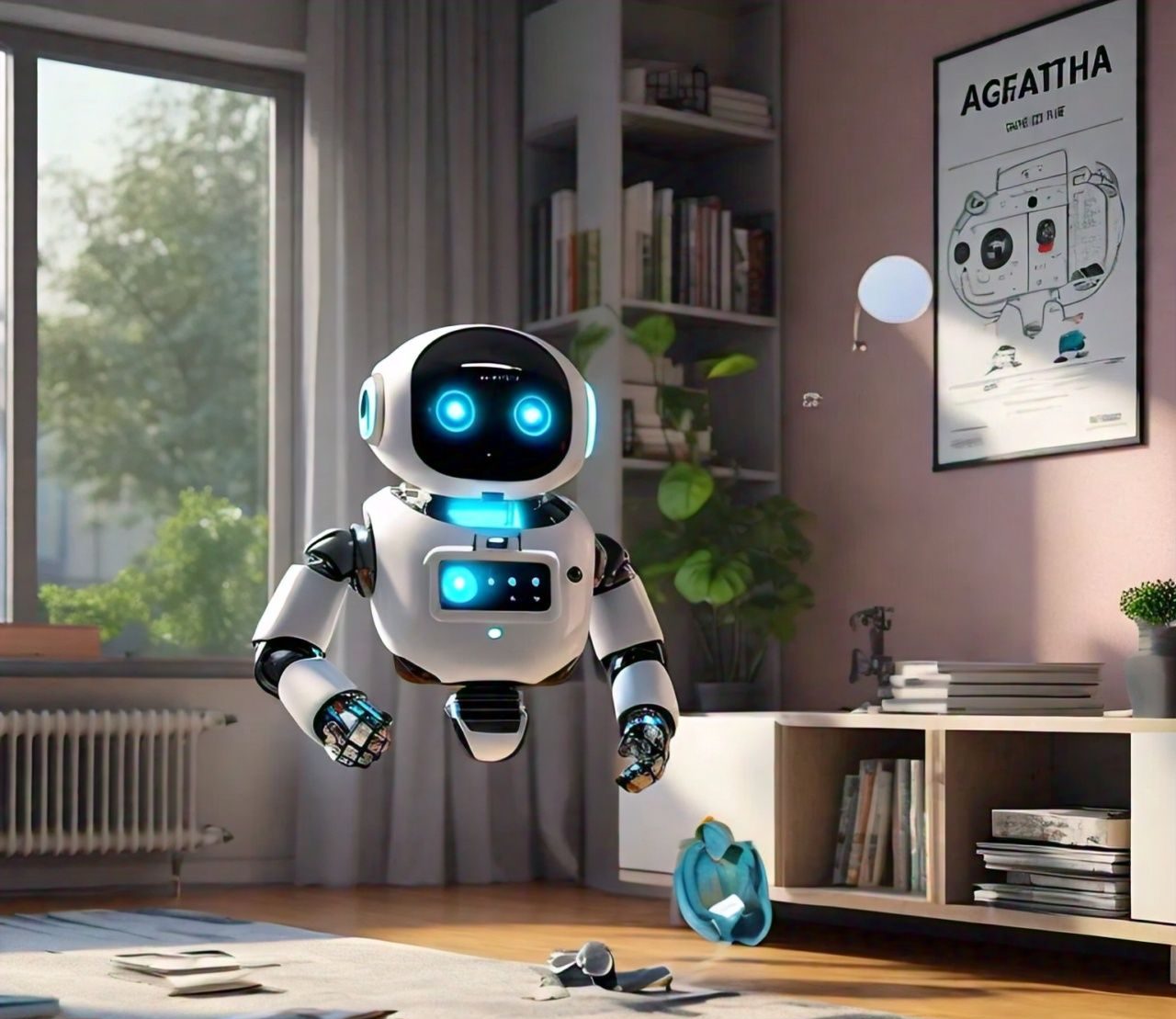
One of the most visible applications of robotics in everyday life is in domestic environments. Household robots, such as robotic vacuum cleaners, lawn mowers, and window cleaners, have become increasingly common. These devices use sensors, AI algorithms, and mapping technologies to navigate and perform tasks autonomously. For instance, robotic vacuum cleaners like the Roomba can map the layout of a home, avoid obstacles, and clean floors with minimal human intervention. These robots save time and effort, allowing individuals to focus on other activities.
Additionally, robotic assistants are being developed to help with more complex household tasks. These robots can assist with cooking, grocery shopping, and even caregiving. For example, companies are working on robots that can prepare meals by following recipes, ensuring consistent quality and taste. In caregiving, robotic companions can provide emotional support and assist with daily activities for the elderly or individuals with disabilities, enhancing their quality of life and independence.
Healthcare Robotics
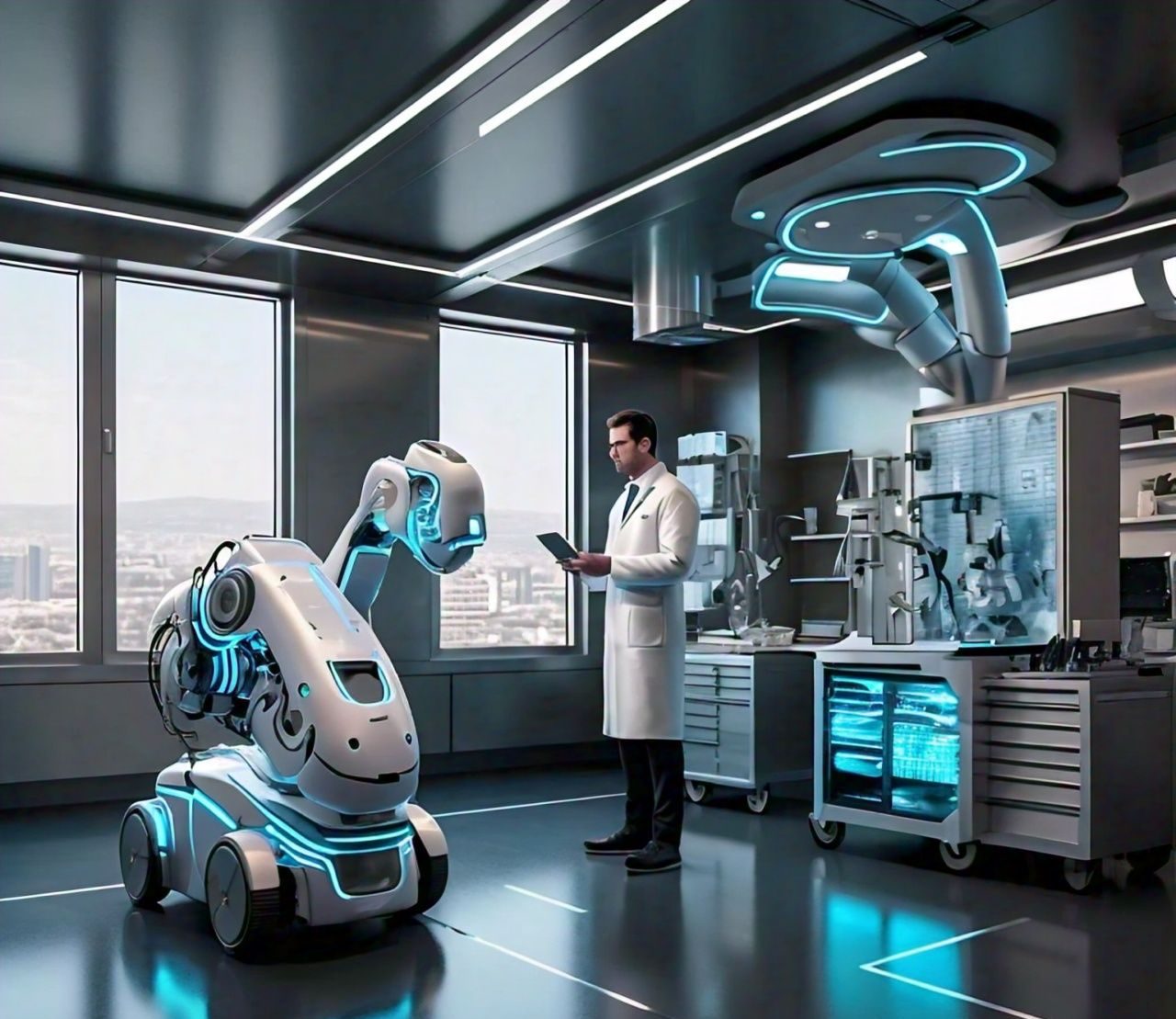
Robotics has made significant strides in healthcare, revolutionizing patient care, surgery, and rehabilitation. Surgical robots, such as the da Vinci Surgical System, enable minimally invasive procedures with high precision and control. These robots allow surgeons to perform complex surgeries through small incisions, reducing recovery times, minimizing pain, and lowering the risk of complications. Robotic-assisted surgery has become standard practice in many hospitals, particularly for procedures like prostatectomy, hysterectomy, and cardiac surgery.
In patient care, robots are being used to assist with tasks such as medication administration, patient monitoring, and transportation. For example, robotic carts can deliver medications and supplies within hospitals, reducing the workload on healthcare staff and ensuring timely delivery. Telepresence robots enable doctors to remotely consult with patients, particularly in remote or underserved areas, improving access to medical expertise.
Rehabilitation robotics is another critical area, where robots assist patients recovering from strokes, injuries, or surgeries. Exoskeletons and robotic limbs provide physical support and facilitate movement, helping patients regain strength and mobility. These devices can be customized to individual needs, offering tailored rehabilitation programs that enhance recovery outcomes.
Industrial and Workplace Robotics
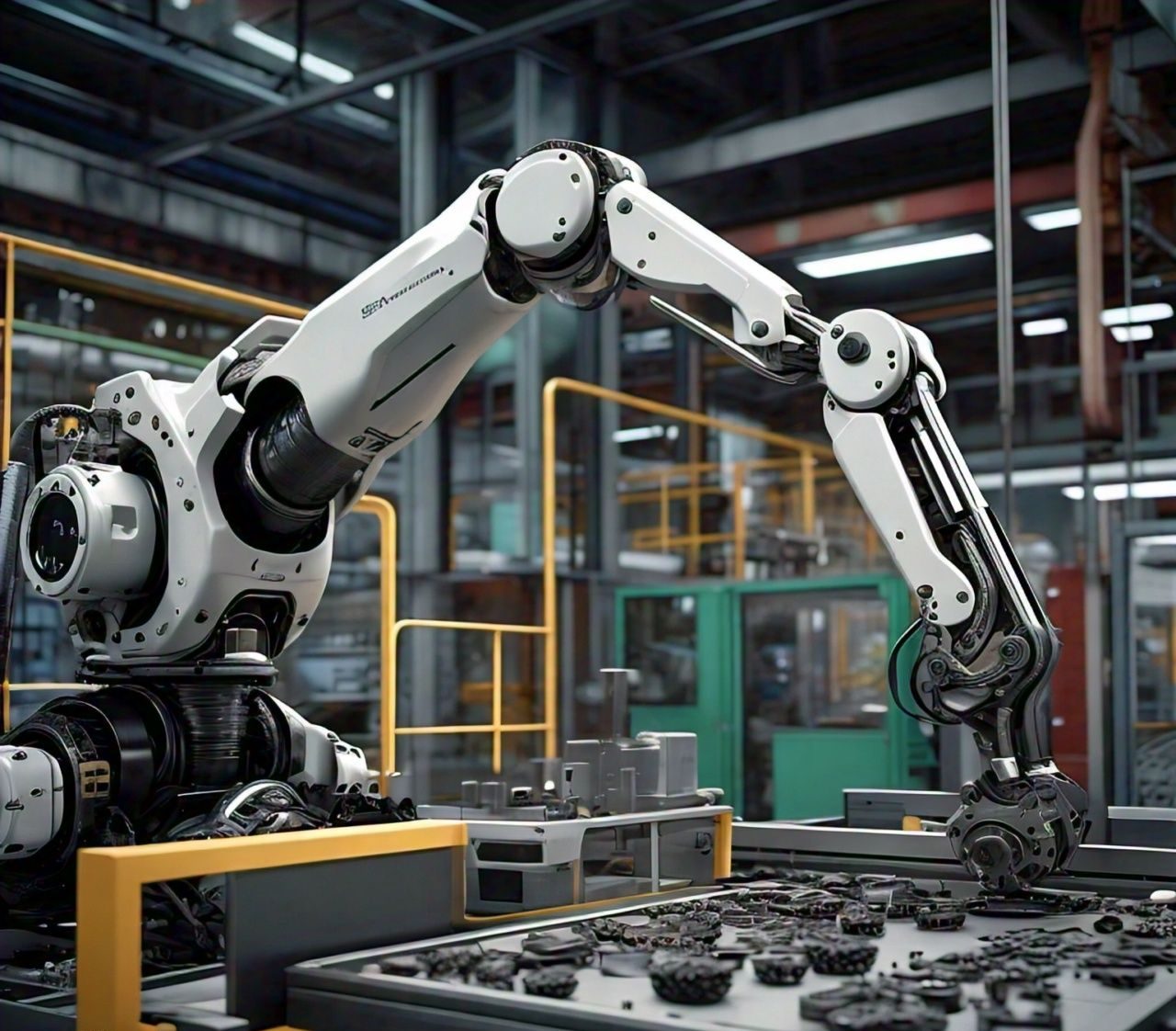
In industrial settings, robotics has long been a cornerstone of manufacturing and production. Industrial robots are used for tasks such as assembly, welding, painting, and packaging. These robots operate with high speed, precision, and repeatability, significantly improving productivity and quality control. As a result, industries can produce goods more efficiently and at lower costs.
Collaborative robots, or cobots, are designed to work alongside humans in various workplace environments. Unlike traditional industrial robots that are often confined to cages for safety reasons, cobots are equipped with advanced sensors and safety features that allow them to operate safely in close proximity to humans. Cobots can assist with tasks such as material handling, machine tending, and quality inspection, augmenting human capabilities and reducing the risk of workplace injuries.
In office environments, robotic process automation (RPA) is being used to automate repetitive and mundane tasks such as data entry, invoice processing, and customer service. RPA software robots can interact with digital systems and perform rule-based tasks, freeing up human employees to focus on more strategic and creative activities. This not only improves efficiency but also enhances job satisfaction by reducing the burden of tedious tasks.
Transportation and Mobility
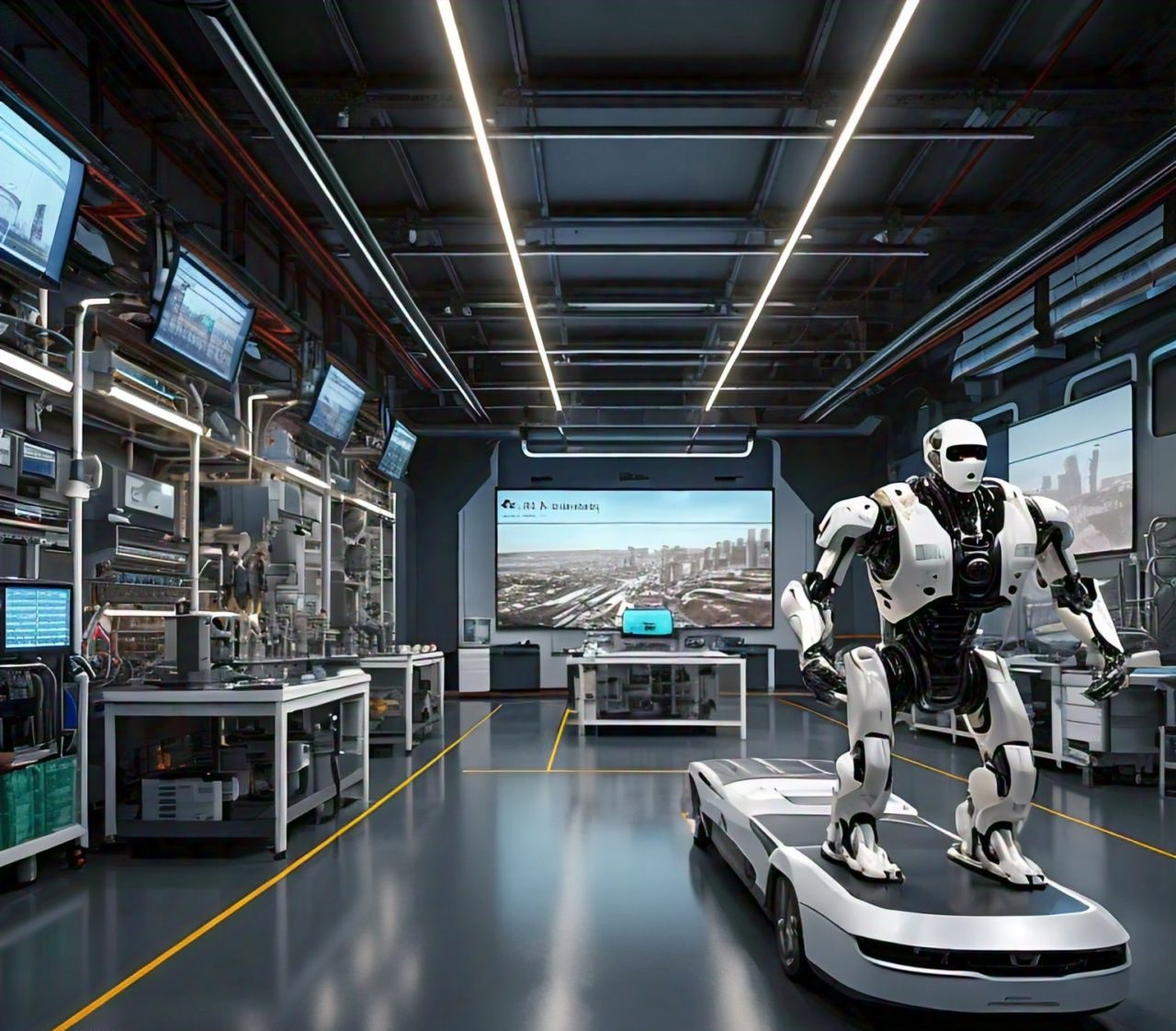
The transportation sector is undergoing a significant transformation with the advent of autonomous vehicles and drones. Self-driving cars, developed by companies like Tesla, Waymo, and Uber, have the potential to revolutionize personal and public transportation. These vehicles use a combination of sensors, cameras, and AI algorithms to navigate roads, interpret traffic signals, and avoid obstacles. Autonomous vehicles promise to enhance road safety, reduce traffic congestion, and provide mobility solutions for individuals who are unable to drive, such as the elderly or disabled.
In addition to self-driving cars, delivery robots and drones are becoming increasingly common. Companies like Amazon and Google are experimenting with drone delivery services, which can transport packages quickly and efficiently, especially in urban areas. Delivery robots, designed for short-distance deliveries, can navigate sidewalks and deliver goods to customers’ doorsteps. These innovations have the potential to reshape logistics and supply chain operations, making deliveries faster, cheaper, and more environmentally friendly.
Education and Entertainment
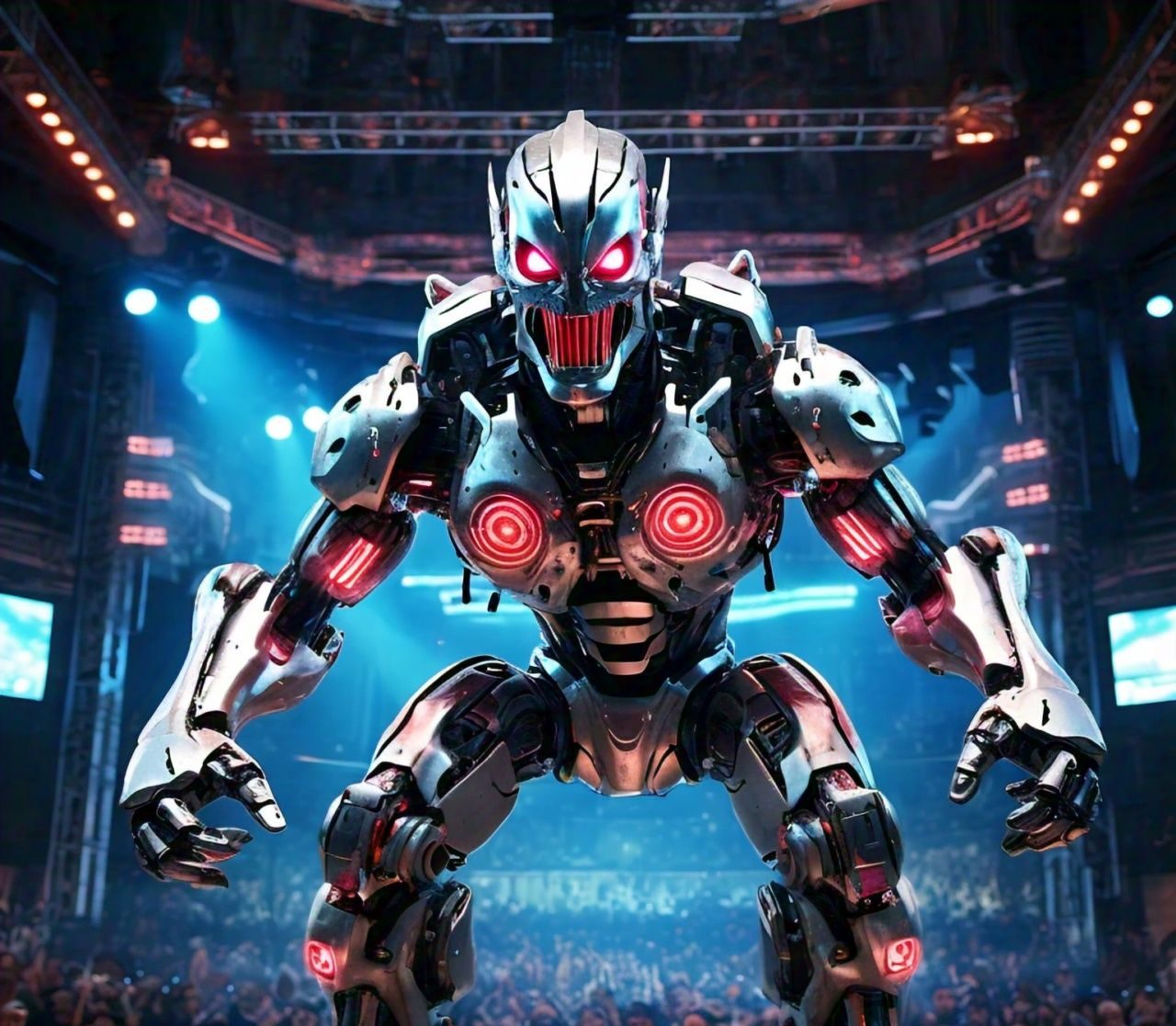
Robotics is also making an impact in education and entertainment. Educational robots, such as LEGO Mindstorms and VEX Robotics kits, are used to teach students about coding, engineering, and problem-solving. These hands-on tools engage students in STEM (Science, Technology, Engineering, and Mathematics) subjects, fostering creativity and critical thinking skills. Robotics competitions and clubs provide students with opportunities to collaborate, innovate, and showcase their skills.
In the entertainment industry, robots are used in various applications, from theme park attractions to interactive toys. Animatronics, which are robotic characters designed to entertain and engage audiences, are commonly found in amusement parks and movie productions. These robots can perform complex movements, expressions, and interactions, creating immersive experiences for visitors. Interactive robotic toys, such as robotic pets and educational companions, provide entertainment and learning opportunities for children.
Future Prospects and Challenges
The future of robotics in everyday life holds immense potential, with ongoing advancements in AI, machine learning, and robotics technology. As robots become more intelligent and capable, their applications will continue to expand, bringing new levels of convenience, efficiency, and safety to various aspects of life. However, this growth also presents challenges that need to be addressed.
One of the primary challenges is ensuring the ethical and responsible use of robotics. As robots become more integrated into daily life, issues related to privacy, security, and job displacement need to be carefully considered. It is essential to develop regulations and guidelines that protect individuals’ rights and ensure that the benefits of robotics are equitably distributed.
Another challenge is the need for ongoing research and development to overcome technical limitations. Despite significant progress, robots still face challenges in terms of perception, dexterity, and adaptability. Continued investment in research and innovation is crucial to address these limitations and unlock the full potential of robotics.
Conclusion
Robotics has become an integral part of everyday life, transforming domestic environments, healthcare, workplaces, transportation, education, and entertainment. The integration of robotics offers numerous benefits, from enhancing efficiency and convenience to improving safety and healthcare outcomes. As technology continues to advance, the role of robotics in daily life is set to grow, bringing new opportunities and challenges. By addressing these challenges responsibly, society can harness the full potential of robotics to create a better, more connected, and more efficient world.