
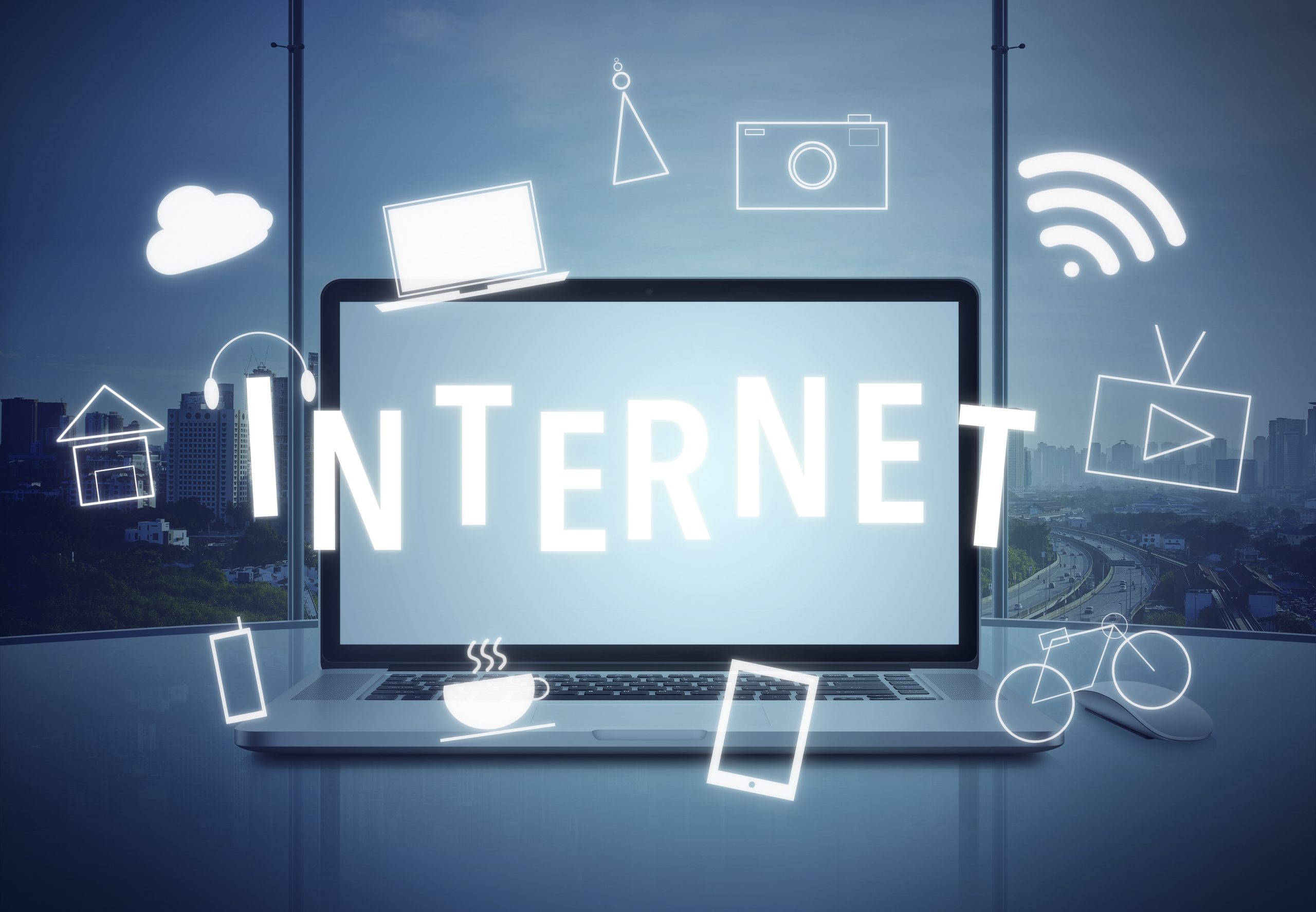
The Internet of Things (IoT) represents a transformative evolution in how we interact with technology and the world around us. At its core, IoT encompasses a vast network of interconnected devices embedded with sensors, software, and other technologies that enable them to collect and exchange data over the internet. This capability unlocks a myriad of possibilities across various industries and sectors, reshaping everything from everyday tasks to complex industrial processes.
 Foundation of IoT
 Foundation of IoT
IoT’s foundation lies in the concept of connectivity—enabling devices to communicate with each other and with central systems, often referred to as the cloud. This communication is facilitated through wired or wireless networks, allowing for seamless data transmission and analysis. Devices in an IoT ecosystem can range from simple consumer gadgets like smart thermostats and wearable fitness trackers to sophisticated industrial equipment such as sensors in manufacturing plants or monitoring systems in agriculture.
Key Components and Technologies
- Sensors and Actuators: These are fundamental components of IoT devices. Sensors capture real-world data (temperature, humidity, motion, etc.), while actuators enable devices to perform actions based on received data (adjusting temperature, activating alarms, etc.).
- Connectivity: IoT devices use various connectivity protocols such as Wi-Fi, Bluetooth, Zigbee, and cellular networks to transmit data. Each protocol has specific advantages suited to different applications, from short-range communication within a home to wide-area coverage across cities.
- Data Processing and Analytics: IoT generates vast amounts of data. Cloud platforms and edge computing are used to process, store, and analyze this data in real-time, extracting valuable insights that drive decision-making and operational efficiency.
- Security: Securing IoT devices and data is critical due to their interconnected nature. Measures such as encryption, authentication protocols, and regular updates are essential to protect against cyber threats and ensure privacy.
Applications and Impact
Consumer IoT
Consumer IoT applications have permeated everyday life, offering convenience, efficiency, and personalized experiences:
- Smart Home: Devices like smart speakers, lighting systems, and security cameras enable remote monitoring and control of home environments.
- Wearable Technology: Fitness trackers and smartwatches gather health data (heart rate, sleep patterns) to help users track fitness goals and improve well-being.
- Connected Cars: Vehicles equipped with IoT sensors and connectivity enable features like navigation assistance, vehicle diagnostics, and real-time traffic updates.
Industrial IoT focuses on enhancing operational efficiency, safety, and productivity across sectors such as manufacturing, energy, and agriculture:
- Manufacturing: IoT-enabled sensors monitor equipment performance, predict maintenance needs, and optimize production processes to minimize downtime and reduce costs.
- Energy Management: Smart grids use IoT to manage electricity distribution efficiently, balance supply and demand, and integrate renewable energy sources.
- Agriculture: IoT sensors in soil, weather stations, and drones provide farmers with real-time data on crop health, moisture levels, and pest detection, optimizing irrigation and pesticide use.
Healthcare

IoT innovations in healthcare promise improved patient care, remote monitoring, and operational efficiency:
- Remote Patient Monitoring: Wearable devices and health sensors allow healthcare providers to monitor vital signs and chronic conditions remotely, enabling timely interventions.
- Medical Asset Tracking: IoT helps hospitals track equipment (e.g., infusion pumps, wheelchairs) in real-time, reducing loss and improving asset utilization.
- Telemedicine: IoT facilitates virtual consultations and remote diagnostics, expanding access to healthcare services especially in remote areas.
Challenges and Considerations
Despite its potential, IoT adoption faces several challenges:
- Interoperability: Ensuring compatibility and seamless integration among diverse IoT devices and platforms.
- Scalability: Managing large-scale deployments and the sheer volume of data generated by IoT devices.
- Privacy and Security: Protecting sensitive data from cyber threats and ensuring user privacy amidst increasing connectivity.
- Regulatory Compliance: Adhering to regulations and standards governing data protection, device safety, and environmental impact.
Future Trends and Innovations
Looking ahead, several trends are shaping the future of IoT:
- Edge Computing: Processing data closer to where it is generated (at the edge) to reduce latency and bandwidth usage, crucial for time-sensitive applications like autonomous vehicles.
- 5G Networks: Ultra-fast and low-latency 5G networks will accelerate IoT adoption, supporting more devices and enabling new applications such as augmented reality and remote surgery.
- AI and Machine Learning: Enhancing IoT capabilities by enabling devices to learn and adapt based on data analysis, improving predictive maintenance and personalization.
- Blockchain: Ensuring secure transactions and data integrity in IoT networks, particularly in sectors like supply chain management and financial services.
Conclusion
In conclusion, the Internet of Things represents a paradigm shift in how we perceive and interact with technology. By connecting devices and enabling them to communicate and collaborate, IoT unlocks new efficiencies, capabilities, and opportunities across industries and daily life. While challenges like security and interoperability persist, ongoing advancements in technology and standards continue to expand the potential of IoT, promising a future where our environments are smarter, more connected, and more responsive to our needs. As IoT continues to evolve, its impact on society, business, and technology is poised to grow, shaping a more connected and data-driven world.
our Channel https://youtube.com/@smartiteyes?si=qKs0wF6Zo3XANyeC