
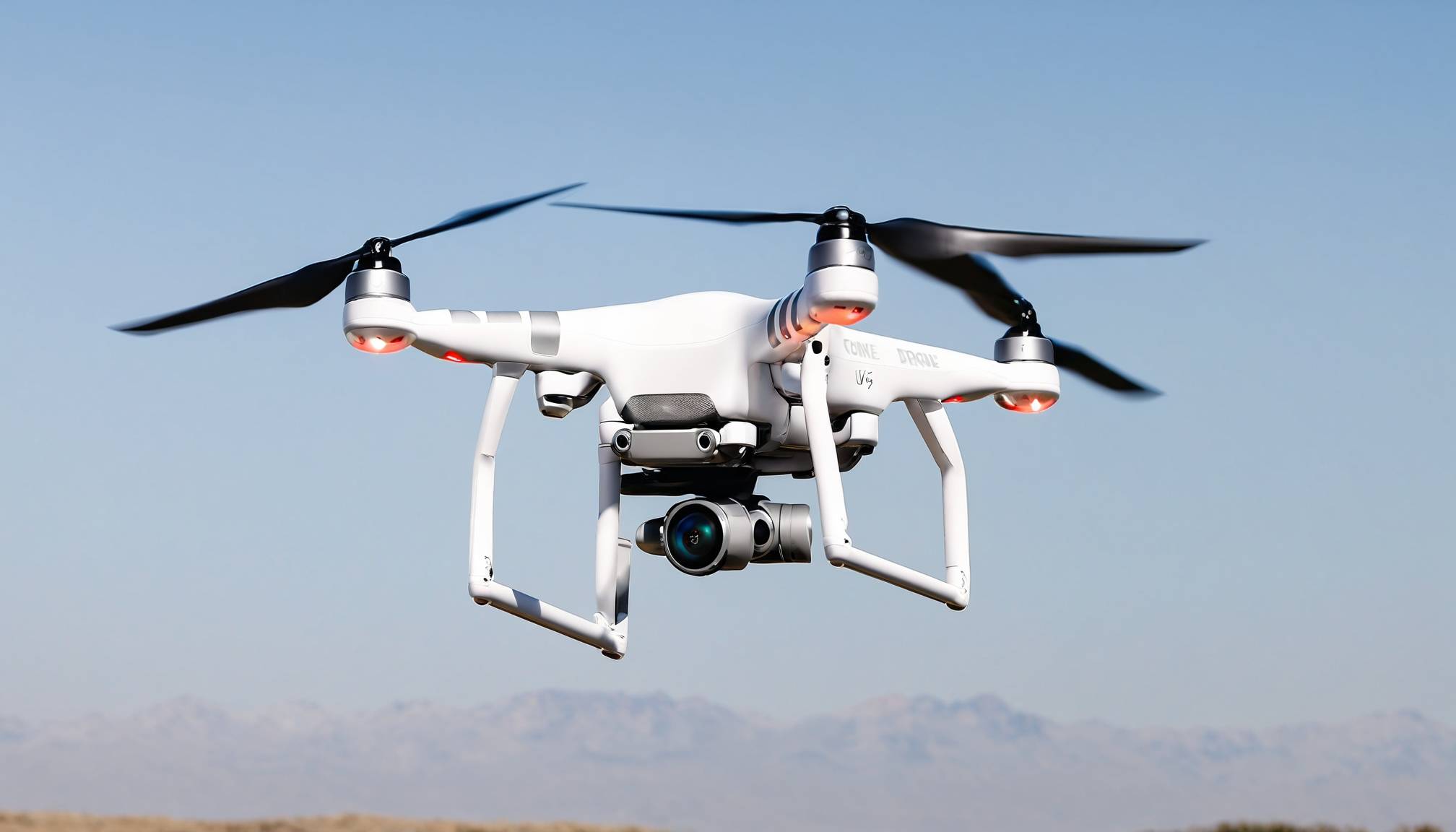
Drones, also known as unmanned aerial vehicles (UAVs), are aircraft without a human pilot on board. They are a significant innovation in modern technology, with applications spanning military, commercial, and recreational use. Here’s an overview of how drones work, broken down into their core components and functionalities:
1. Structure and Design
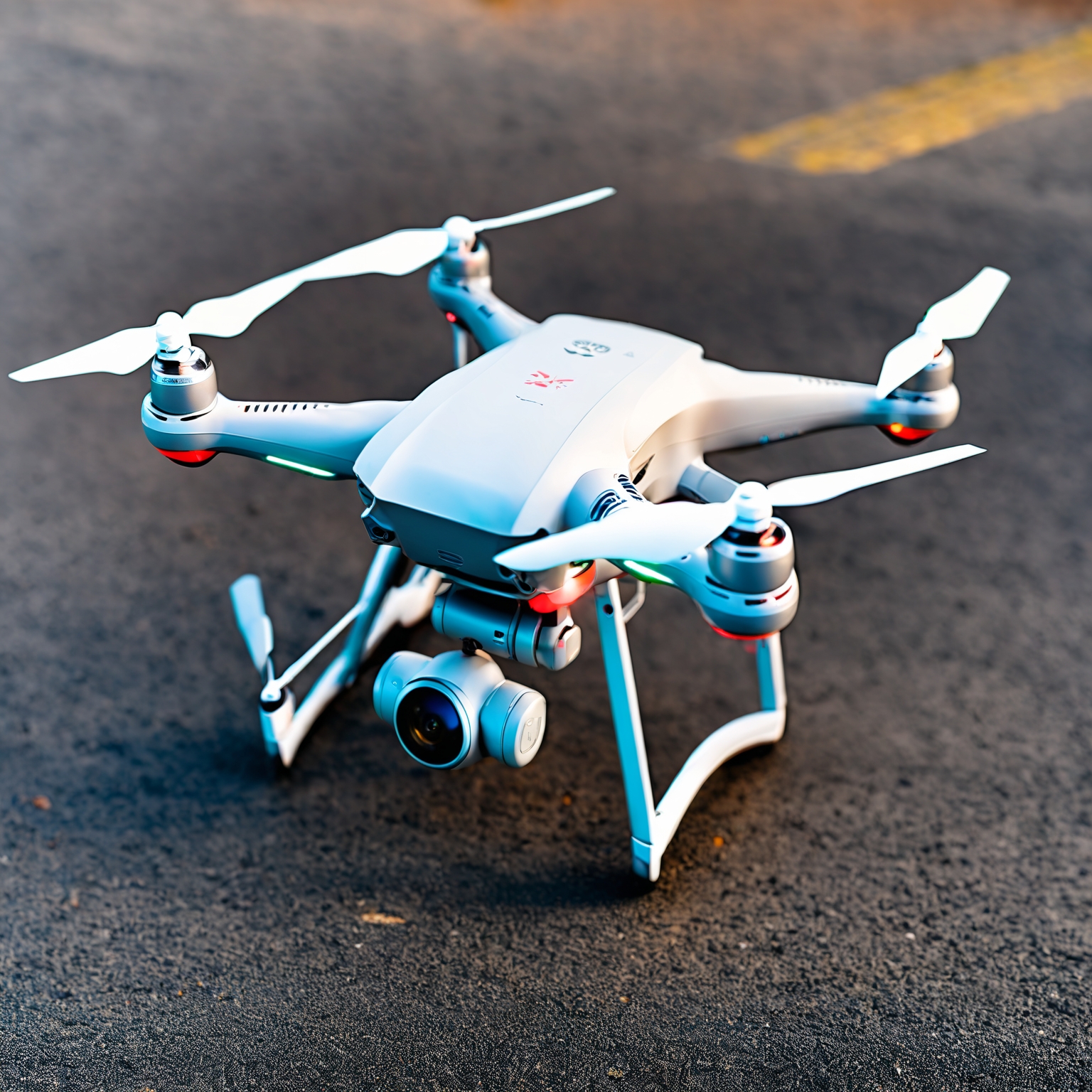
Frame: The frame of a drone is the main body, typically made from lightweight materials such as plastic, carbon fiber, or aluminum. The design of the frame can vary depending on the type of drone, but most commonly, consumer drones have a quadcopter configuration with four arms, each hosting a motor and propeller.
Motors and Propellers: Motors and propellers are crucial for flight. The motors, usually brushless DC motors for efficiency and durability, spin the propellers to generate lift. By varying the speed of each motor, the drone can hover, ascend, descend, and maneuver in different directions.
2. Power Supply
Battery: Most drones are powered by rechargeable lithium-polymer (LiPo) batteries, which provide a high energy density necessary for flight. The battery size and capacity affect the flight time and performance of the drone. Drones typically have a flight time ranging from 15 to 30 minutes on a single charge, though some advanced models can last longer.
3. Flight Control System
Flight Controller: The flight controller is the brain of the drone, a sophisticated circuit board with sensors and processors that manage the drone’s flight. It receives input from the user via a remote control or a pre-programmed flight path and translates these commands into actions by adjusting the speed of the motors.
Inertial Measurement Unit (IMU): The IMU includes accelerometers and gyroscopes that measure the drone’s acceleration and rotational rates, helping to stabilize and control the drone’s flight.
GPS Module: A GPS module allows the drone to know its exact location, enabling autonomous flight, waypoint navigation, and return-to-home features.
4. Communication and Control
Remote Control: Drones are usually controlled by a handheld remote control unit that communicates with the drone via radio frequency (RF). The remote control has joysticks for manual control and buttons for other functions such as camera operation and GPS activation.
First-Person View (FPV): Many drones are equipped with cameras that provide a first-person view (FPV) to the pilot via a live video feed. This feed is transmitted to a screen on the remote control, a smartphone, or FPV goggles, allowing the pilot to see from the drone’s perspective.
5. Sensors and Navigation
Obstacle Avoidance Sensors: Advanced drones have sensors such as ultrasonic, infrared, and lidar to detect obstacles and avoid collisions. These sensors help the drone to navigate safely in complex environments.
Barometer: A barometer measures air pressure to determine altitude, allowing the drone to maintain a consistent height during flight.
6. Software and Autonomy
Autonomous Flight: Modern drones can perform autonomous flights using pre-programmed flight paths. The user sets waypoints and the drone navigates to these points using its GPS and onboard sensors, adjusting for obstacles and environmental conditions.
Flight Modes: Drones come with various flight modes such as altitude hold, headless mode, and follow-me mode. Altitude hold maintains a set height, headless mode simplifies control by aligning the drone’s movements with the pilot’s orientation, and follow-me mode uses GPS to track and follow the user.
7. Applications
Military Use: In the military, drones are used for reconnaissance, surveillance, and targeted strikes. They offer the advantage of performing missions without risking human lives.
Commercial Use: Commercial applications include aerial photography, agriculture monitoring, infrastructure inspection, and delivery services. Companies like Amazon and Google are exploring drone delivery systems to enhance logistics and distribution.
Recreational Use: For hobbyists, drones provide a platform for aerial photography, racing, and exploration. The availability of affordable consumer drones has popularized their use for personal enjoyment.
Conclusion
Drones operate through the integration of various technologies, including aerodynamics, electronics, and computer science. Their functionality depends on a combination of hardware components like motors, sensors, and communication systems, along with sophisticated software that enables autonomous flight and advanced features. As drone technology continues to evolve, their applications are expanding, making them an integral part of modern life across multiple sectors.
FAQs
What is the maximum range of a drone? The range of a drone varies by model, with consumer drones typically ranging from 1 to 7 kilometers.
How long can drones stay in the air? Flight time depends on the drone and its battery, ranging from 10 minutes to over 30 minutes for most consumer models.
Are drones safe? Drones are generally safe when operated responsibly and in accordance with regulations. However, they can pose risks if misused.
What are the main types of drones? The main types are multi-rotor drones, fixed-wing drones, and single-rotor drones, each suited for different applications.