
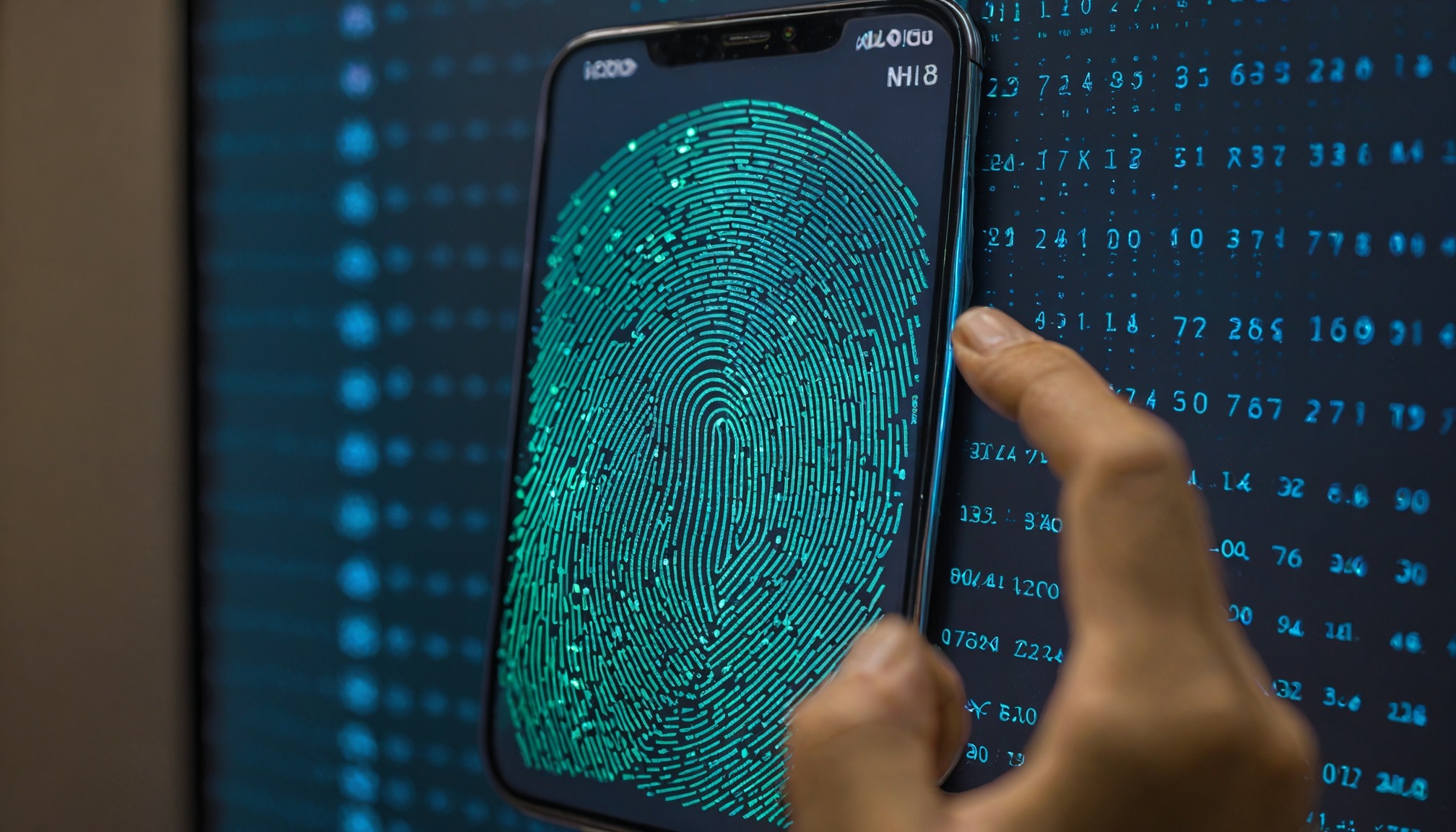
Biometrics refers to the measurement and statistical analysis of people’s unique physical and behavioral characteristics. The technology is primarily used for identification and access control, or for identifying individuals who are under surveillance. Here’s how it generally works:
Types of Biometrics
- Physiological Biometrics:
- Fingerprint Recognition: Uses the unique patterns on an individual’s fingertips.
- Facial Recognition: Analyzes facial features like the distance between the eyes, the shape of the chin, etc.
- Iris Recognition: Utilizes the unique patterns in the colored ring around the eye’s pupil.
- Retina Scanning: Involves analyzing the unique pattern of blood vessels in the retina.
- Hand Geometry: Measures the shape and size of the hand.
- DNA Analysis: Uses genetic material to identify individuals.
- Behavioral Biometrics:
- Voice Recognition: Analyzes the unique patterns of an individual’s voice.
- Signature Dynamics: Looks at how a person signs their name, including the pressure and speed of the signature.
- Gait Analysis: Studies the way a person walks.
How Biometrics Work
- Enrollment:
- Data Capture: The biometric system captures the specific biometric data of an individual. For example, a fingerprint scanner captures the ridge patterns of a finger.
- Template Creation: The captured data is processed to create a digital representation, called a template. This template is stored in a database for future comparisons.
- Storage:
- Secure Database: The biometric templates are stored securely, often encrypted, to protect the information from unauthorized access.
- Verification/Identification:
- Data Capture: During the verification process, the biometric system captures the biometric data again (e.g., scanning a fingerprint).
- Template Comparison: The new data is converted into a template and compared against the stored templates. There are two main types of comparison:
- Verification (1:1): Confirms if the captured biometric data matches the stored template for a specific individual.
- Identification (1): Compares the captured biometric data against all stored templates to identify an individual.
- Decision Making:
- Matching: If the captured data matches a stored template within a certain threshold, the system authenticates the individual.
- Non-Matching: If there is no match, the system denies access or flags the individual.
Advantages and Challenges
Advantages:
- Security: Provides a high level of security since biometric traits are unique to individuals.
- Convenience: Eliminates the need to remember passwords or carry identification cards.
- Non-Repudiation: Reduces the likelihood of repudiation since biometrics are unique and linked directly to individuals.
Challenges:
- Privacy Concerns: The storage and use of biometric data raise significant privacy issues.
- False Positives/Negatives: The system might incorrectly identify (false positive) or fail to identify (false negative) an individual.
- Cost: High-quality biometric systems can be expensive to implement and maintain.
- Spoofing: Biometric systems can be susceptible to spoofing if not properly secured (e.g., using high-resolution photos for facial recognition).
Biometrics continues to evolve, with ongoing research aimed at improving accuracy, security, and user convenience.