
Green energy technologies are rapidly evolving, driven by the urgent need to mitigate climate change and reduce dependence on fossil fuels. These technologies focus on harnessing renewable energy sources such as solar, wind, and bioenergy to create sustainable and environmentally friendly energy solutions. Innovations in this field are enhancing efficiency, reducing costs, and expanding the applicability of renewable energy systems.
Solar Energy
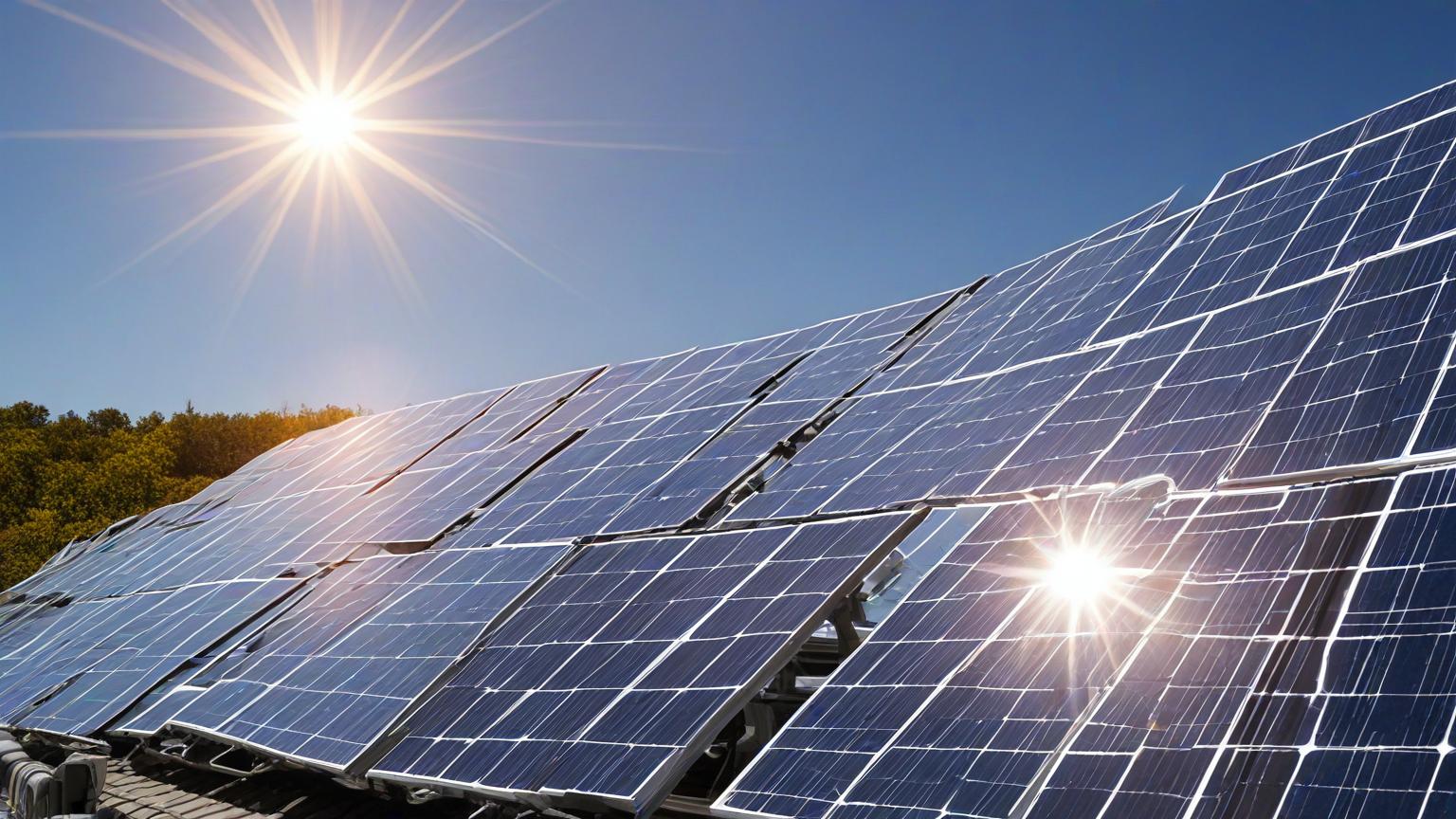
Solar power remains at the forefront of green energy innovations. Advances in photovoltaic (PV) cell technology are making solar panels more efficient and affordable. For instance, the incorporation of perovskite materials into solar cells has significantly increased their efficiency, with some laboratory models achieving over 25% efficiency. Perovskite solar cells are also cheaper to produce and can be manufactured using less energy compared to traditional silicon-based cells. Additionally, bifacial solar panels, which capture sunlight from both sides, are improving energy yields, especially in regions with reflective surfaces like snow or desert sands.
Wind Energy

Wind energy technology is also witnessing significant advancements. Modern wind turbines are designed to operate at lower wind speeds, making wind power viable in more geographical areas. Innovations such as floating wind turbines are expanding the potential for offshore wind farms, which can harness stronger and more consistent winds found over oceans. These floating turbines are anchored to the seabed but can be deployed in deeper waters where traditional fixed-foundation turbines are impractical.
Bioenergy

Bioenergy involves converting organic materials into energy. Recent developments in bioenergy focus on using non-food biomass sources, such as agricultural residues, algae, and waste materials, to produce biofuels. These second-generation biofuels are more sustainable as they do not compete with food crops for land and resources. Advances in enzymatic processes and genetic engineering are increasing the efficiency of biofuel production, making it a more viable alternative to fossil fuels.
Geothermal Energy

Geothermal energy harnesses heat from the Earth’s core to generate electricity and provide heating. Enhanced geothermal systems (EGS) are an innovative approach that involves drilling deep wells and injecting water to create steam, which drives turbines to produce electricity. This technology can be deployed in areas without natural geothermal reservoirs, greatly expanding the potential for geothermal energy generation.
Energy Storage
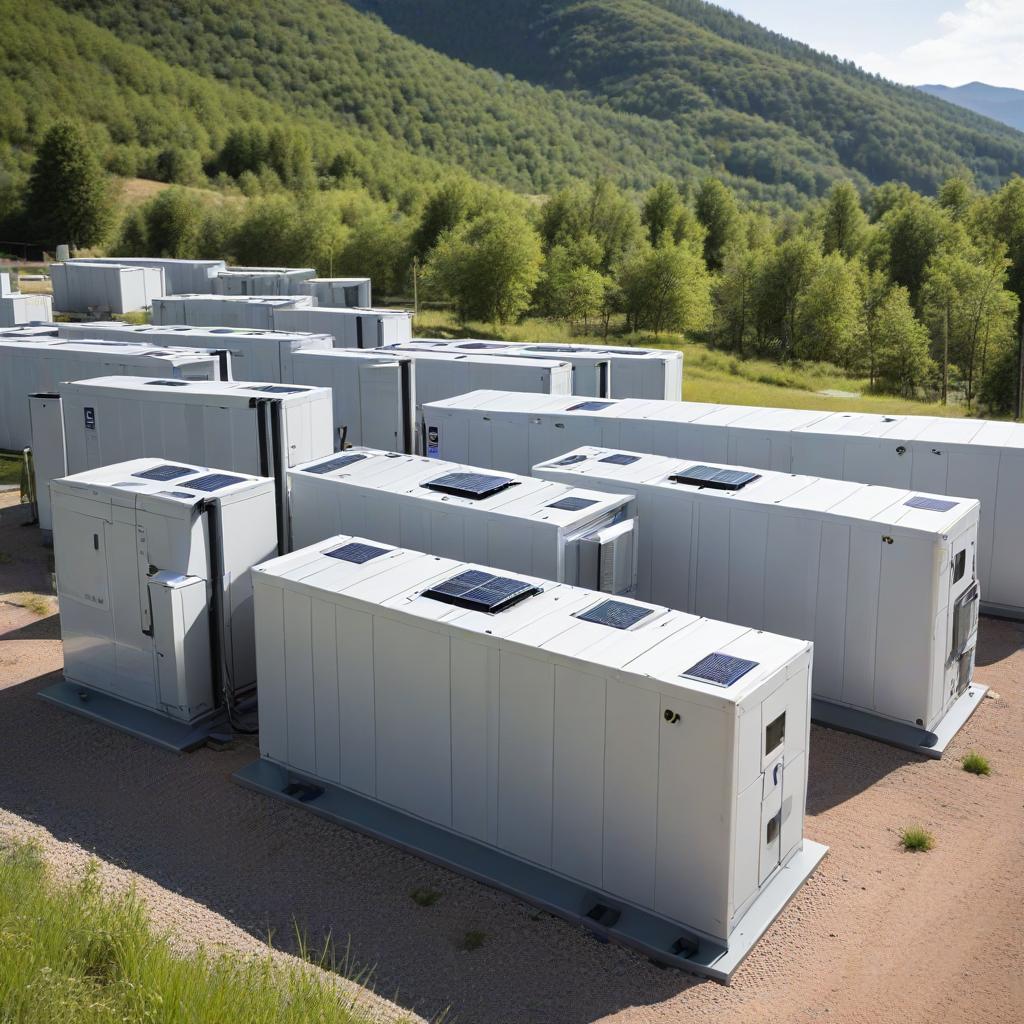
One of the critical challenges of renewable energy is its intermittency. Energy storage technologies, such as advanced batteries, are crucial for storing energy generated from renewable sources for use during periods of low generation. Innovations in battery technology, including solid-state batteries and flow batteries, are improving storage capacity, efficiency, and safety. Thermal energy storage, which stores excess energy as heat, is another promising technology that can help balance supply and demand.
Hydrogen Fuel Cells
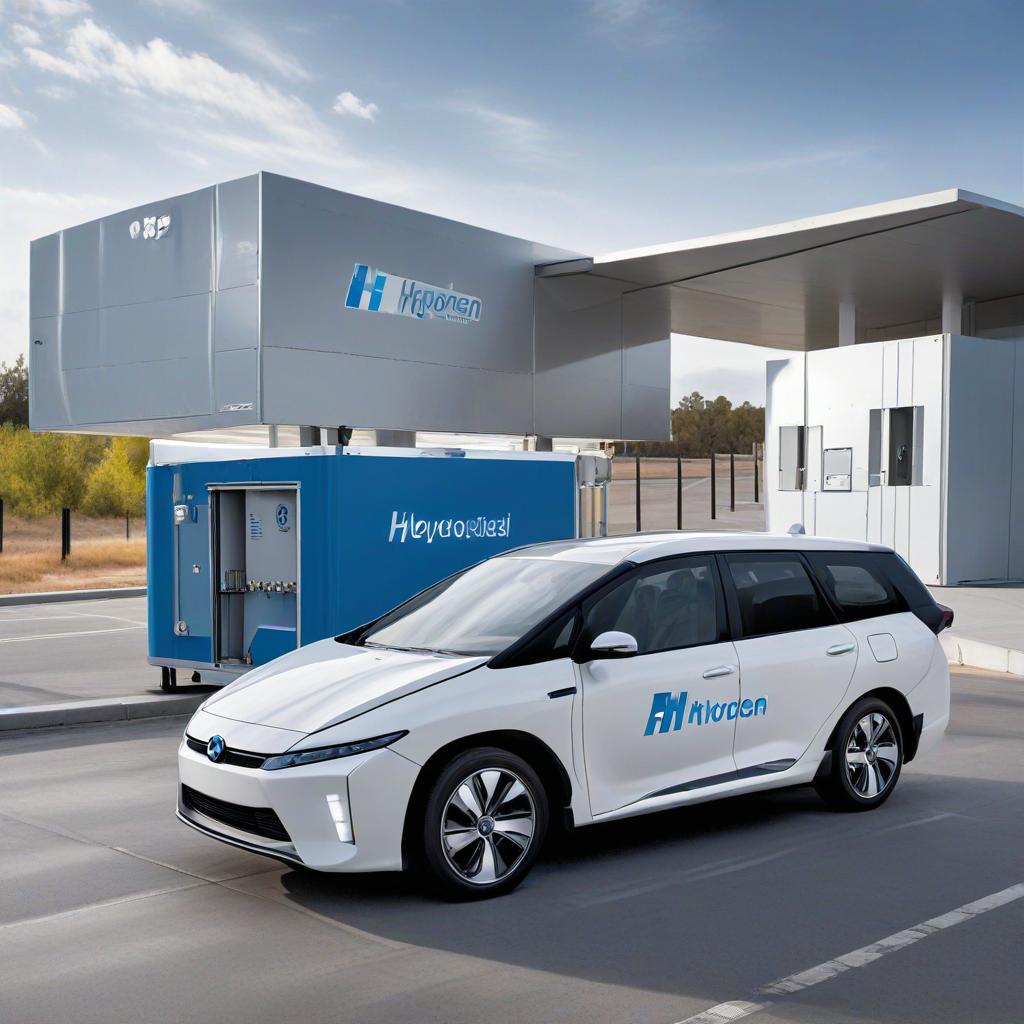
Hydrogen fuel cells are an emerging technology that converts hydrogen gas into electricity, with water as the only byproduct. This technology offers a clean and efficient way to power vehicles and generate electricity. Advances in electrolyzers, which produce hydrogen from water using renewable electricity, are making green hydrogen more cost-competitive. Integrating hydrogen fuel cells into transportation and industrial applications could significantly reduce carbon emissions.
Grid Integration
Integrating renewable energy into the existing power grid is essential for maximizing its potential. Smart grid technologies use digital communication and automation to improve the efficiency, reliability, and sustainability of electricity production and distribution. These technologies can better manage the variable nature of renewable energy sources, ensuring a stable and resilient power supply.
Conclusion
Green energy technologies are advancing rapidly, driven by the need for sustainable and eco-friendly energy solutions. Innovations in solar, wind, bioenergy, geothermal, energy storage, hydrogen fuel cells, and grid integration are transforming the energy landscape. These technologies are not only reducing carbon footprints but also making renewable energy more accessible and affordable. As these advancements continue, they will play a crucial role in achieving global sustainability goals and combating climate change.