

Extended Reality (XR) is an umbrella term that encompasses various forms of augmented reality (AR), virtual reality (VR), and mixed reality (MR). These technologies blend the physical and digital worlds to create immersive experiences that can be used for entertainment, education, training, and many other applications. XR represents a significant shift in how we interact with digital content, offering new opportunities and challenges across multiple industries.
Augmented Reality (AR)
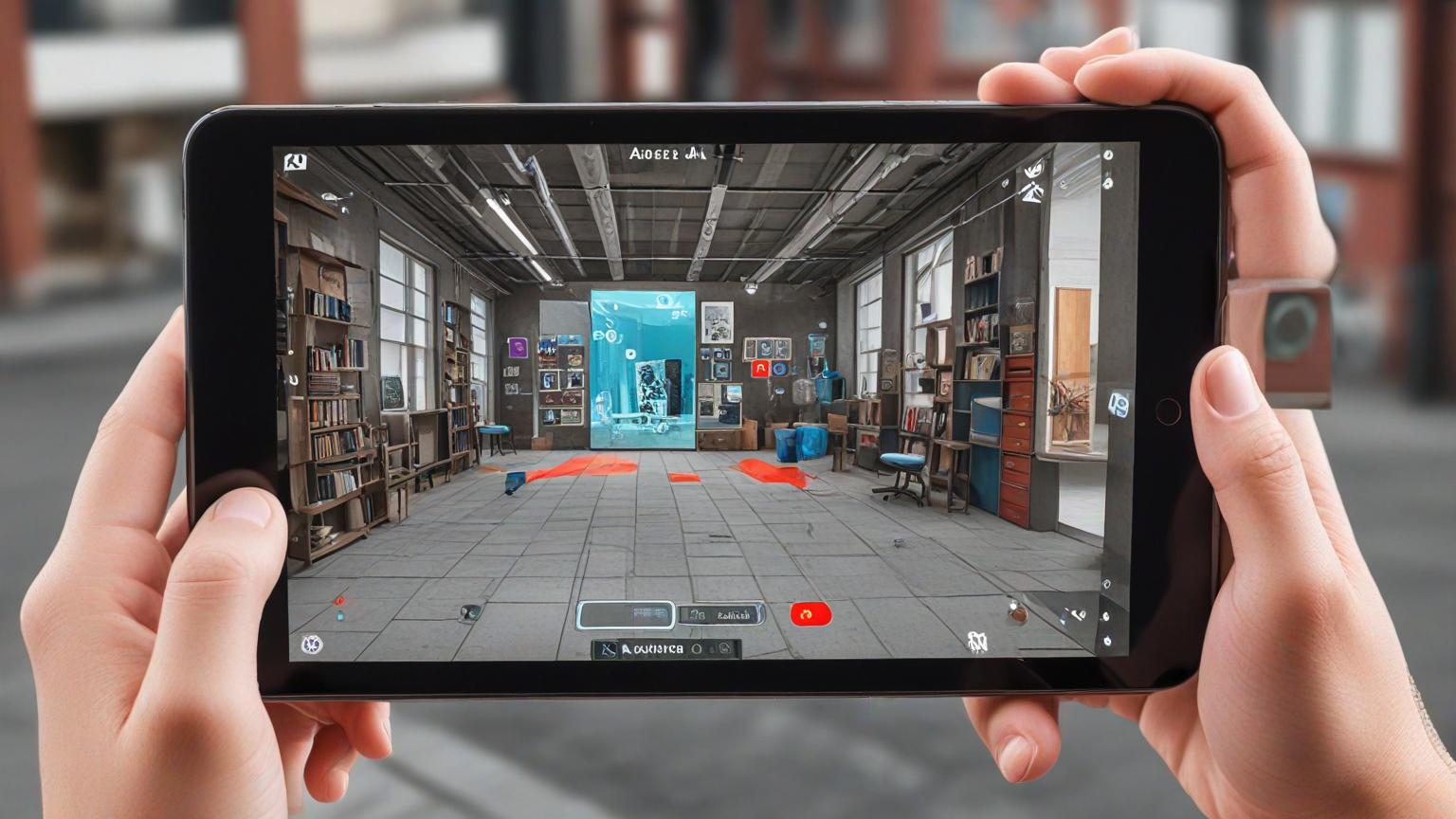
AR overlays digital information onto the real world. This can be as simple as displaying text or images on a smartphone screen, or as complex as projecting 3D models that interact with the environment in real-time. Popular examples of AR include mobile apps like Pokémon GO and Snapchat filters. AR is widely used in retail, where customers can visualize products in their home before making a purchase, and in navigation, where apps can provide turn-by-turn directions overlaid on a live camera feed. Industrial applications of AR include maintenance and repair, where technicians can see instructions superimposed on the machinery they are working on.
Virtual Reality (VR)
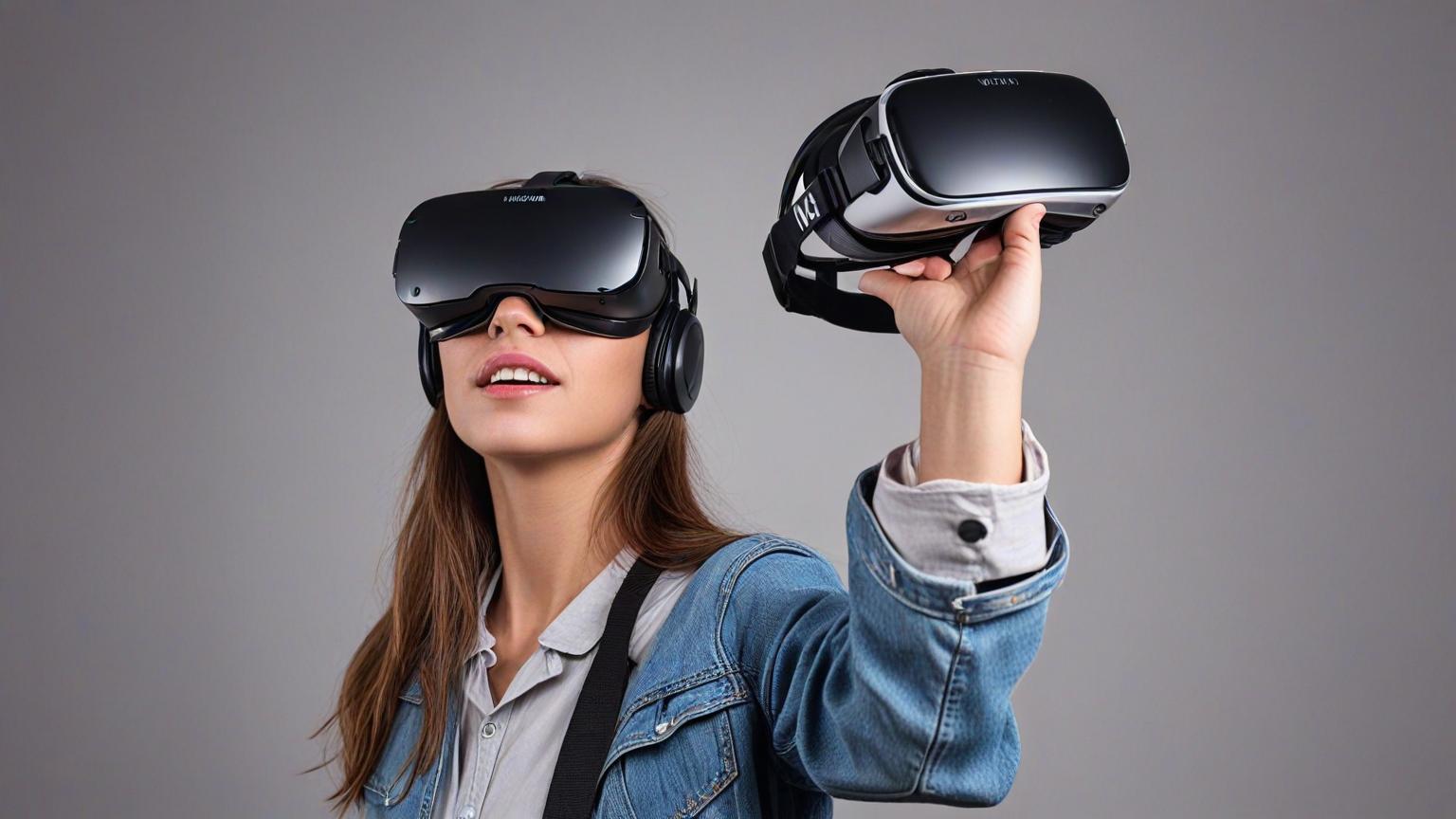
VR creates a completely immersive digital environment that replaces the real world. Users wear a headset that tracks their movements and displays a 3D world that they can interact with. This technology is most commonly associated with gaming, but its applications extend far beyond entertainment. In education, VR can simulate historical events or scientific processes, providing a more engaging learning experience. In healthcare, VR is used for therapy, such as exposure therapy for phobias and post-traumatic stress disorder (PTSD), as well as for surgical training. The real estate industry uses VR to offer virtual tours of properties, allowing potential buyers to explore homes without physically visiting them.
Mixed Reality (MR)
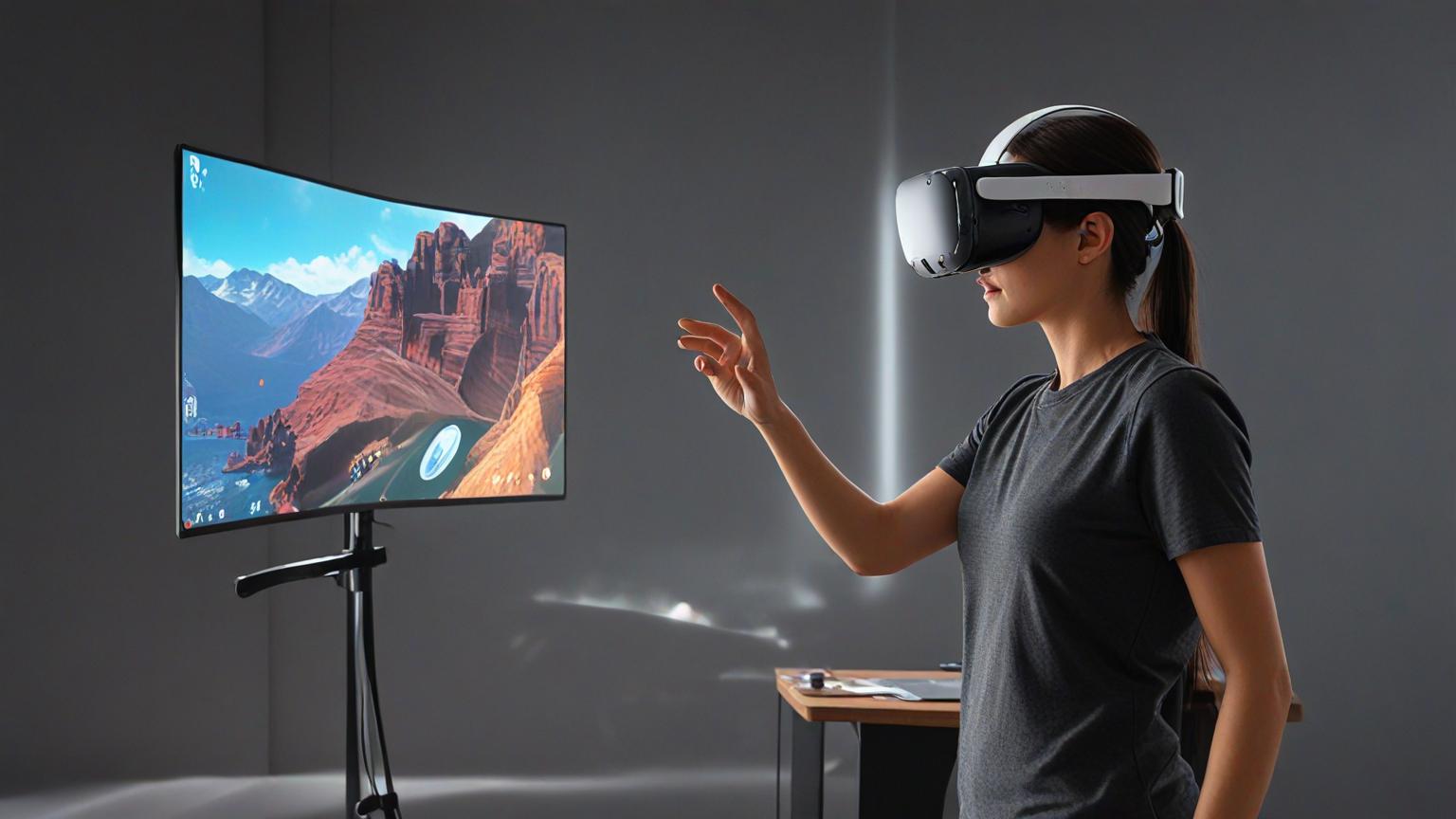
MR combines elements of both AR and VR. It anchors digital objects in the real world, allowing users to interact with them as if they were physically present. This requires more advanced technology, including spatial mapping and real-time environment understanding. Microsoft’s HoloLens is a prominent example of MR technology. MR is particularly useful in collaborative work environments, where teams can interact with 3D models of products or architectural designs, making it easier to visualize and modify complex projects. In education, MR can bring subjects like anatomy or engineering to life, providing students with a hands-on learning experience.
Applications and Implications
The potential applications of XR are vast and varied. In the workplace, XR can improve productivity and efficiency. For instance, remote assistance through AR can help technicians fix issues faster, and VR training can prepare employees for hazardous tasks without putting them at risk. In the medical field, XR can enhance patient care by providing doctors with better tools for diagnosis and treatment planning.
Education is another area where XR can make a significant impact. By making learning more interactive and engaging, XR can help students understand complex concepts and retain information better. For instance, AR can bring textbooks to life with interactive 3D models, and VR can transport students to different historical periods or geological locations.
Entertainment and media are also being transformed by XR. Virtual concerts, immersive video games, and interactive storytelling are just a few examples of how XR is changing the way we consume content. These experiences are not only more engaging but also offer new ways for artists and creators to express themselves.
Challenges
Despite its potential, XR faces several challenges. One of the main obstacles is the high cost of hardware and development. Creating high-quality XR experiences requires significant investment in both technology and talent. Additionally, there are technical challenges related to processing power, battery life, and network latency, all of which can impact the quality of the experience.
Privacy and security are also major concerns. XR devices collect a vast amount of data about the user’s environment and behavior, raising questions about how this data is stored and used. There is also the risk of cyber-attacks, where malicious actors could manipulate XR content to cause harm.
Conclusion
Extended Reality is poised to revolutionize many aspects of our lives, from how we work and learn to how we play and interact with the world around us. While there are challenges to overcome, the potential benefits of XR are immense, promising to create more immersive, interactive, and engaging experiences across a wide range of fields. As technology continues to advance, the line between the physical and digital worlds will blur further, opening up new possibilities for innovation and creativity.