

Examples Of Robots In Everyday Life
Robots have become increasingly integral to everyday life, enhancing efficiency, safety, and convenience across various sectors. Their applications range from household chores to complex industrial tasks, significantly impacting our daily routines.
1. Household Robots
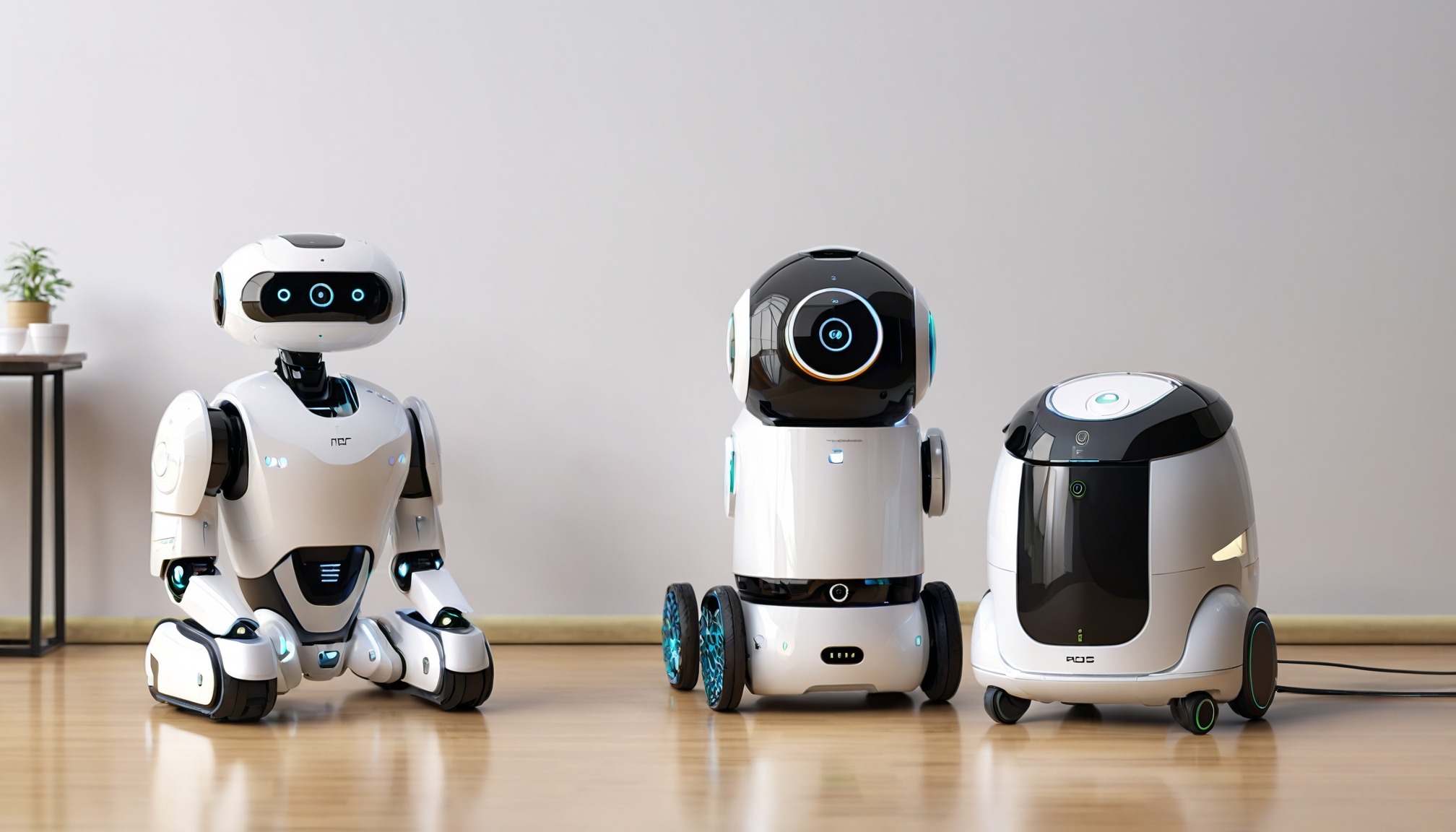
a. Robotic Vacuum Cleaners Robotic vacuum cleaners like Roomba have revolutionized home cleaning. These small, autonomous devices can navigate around furniture, avoid obstacles, and clean floors efficiently. Equipped with sensors and programmable schedules, they offer hands-free cleaning, saving time and effort.
b. Robotic Mops Similar to vacuum cleaners, robotic mops such as the Braava jet handle floor mopping. They use water and cleaning solutions to scrub floors, ensuring a thorough clean. Their compact design allows them to reach tight spaces and under furniture.
c. Smart Kitchen Appliances Smart kitchen appliances, including robotic coffee makers and smart ovens, simplify cooking tasks. These devices can be controlled remotely via smartphones, allowing users to start brewing coffee or preheating the oven while still in bed.
2. Healthcare Robots

a. Surgical Robots Robotic surgery systems like the da Vinci Surgical System enable surgeons to perform minimally invasive procedures with high precision. These robots offer enhanced dexterity, stability, and visualization, resulting in shorter recovery times and reduced risk of complications.
b. Telepresence Robots Telepresence robots, such as the ones used in hospitals and clinics, allow doctors to remotely interact with patients. These robots, equipped with cameras and microphones, enable real-time consultations, diagnosis, and monitoring, improving access to healthcare, especially in remote areas.
c. Rehabilitation Robots Rehabilitation robots assist patients in recovering from injuries or surgeries. For example, robotic exoskeletons help individuals with mobility impairments regain movement and strength. These devices provide support and resistance during physical therapy sessions.
3. Retail and Service Robots

a. Customer Service Robots Robots like Pepper are employed in retail stores and hospitality settings to enhance customer service. They can greet customers, answer questions, provide product information, and even assist with navigation within the store. Their interactive and engaging nature improves the overall customer experience.
b. Inventory Management Robots In retail warehouses, robots such as Kiva systems (used by Amazon) automate inventory management. These robots can quickly locate, pick, and transport items, streamlining the order fulfillment process and reducing human error.
4. Educational Robots
a. Learning Assistants Educational robots like NAO and Cozmo are used in classrooms to engage students in interactive learning activities. These robots can teach coding, mathematics, and language skills through playful interactions, making learning more enjoyable and effective.
b. Research Robots In research institutions, robots are used for experiments and data collection. For example, underwater robots (ROVs) explore ocean depths, gathering data that would be difficult or dangerous for humans to obtain.
5. Agricultural Robots

a. Autonomous Tractors Autonomous tractors and harvesters equipped with GPS and sensors can perform tasks like plowing, planting, and harvesting with minimal human intervention. These robots increase efficiency and precision in farming operations.
b. Drones Agricultural drones are used for crop monitoring, soil analysis, and pesticide spraying. They provide real-time data on crop health, helping farmers make informed decisions and optimize yields.
6. Security and Surveillance Robots
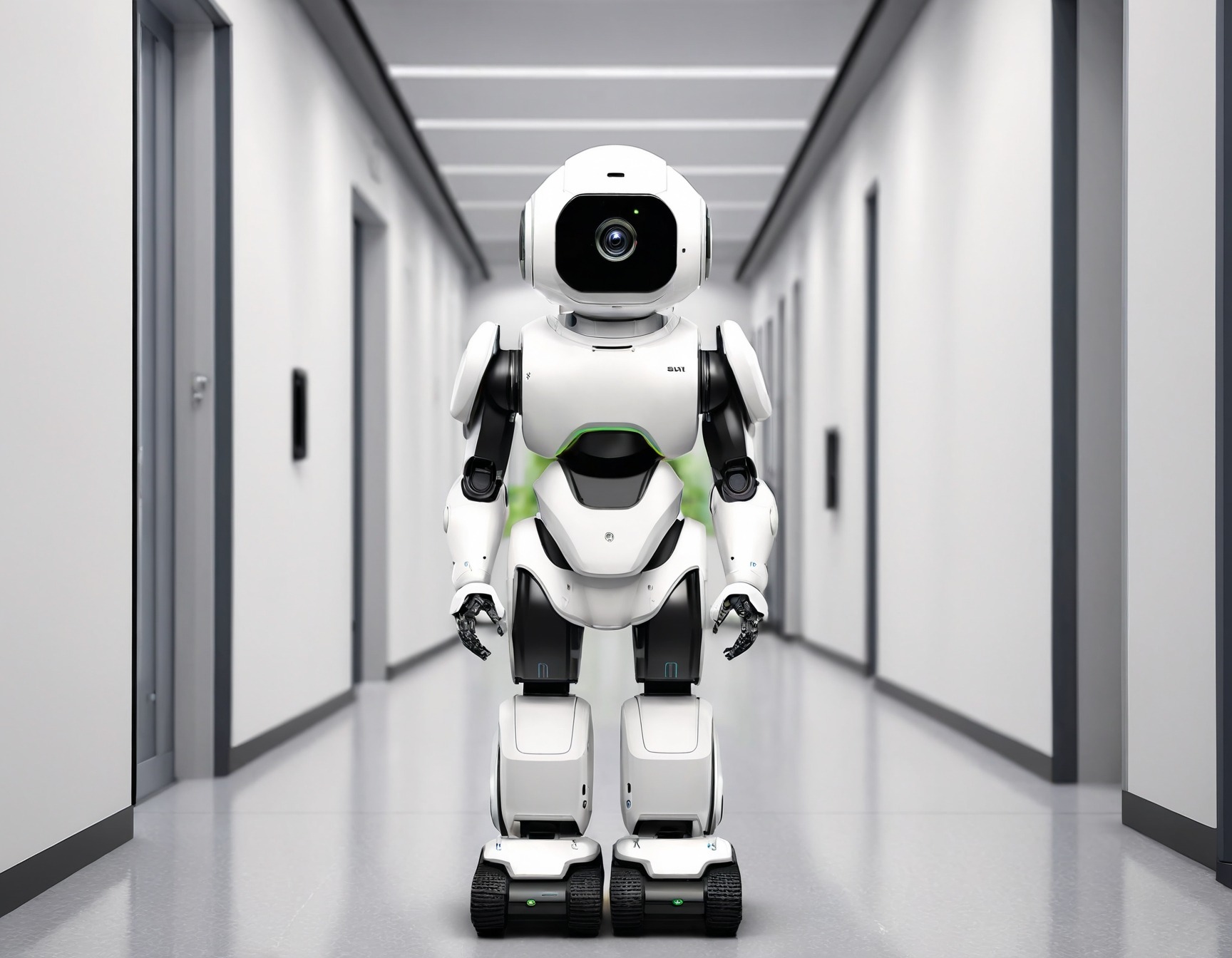
a. Patrol Robots Robots like Knightscope are used for security and surveillance in public spaces and private properties. Equipped with cameras, sensors, and AI, they can detect and report suspicious activities, enhancing safety and security.
b. Disaster Response Robots In disaster-stricken areas, robots such as search-and-rescue drones and ground robots assist in locating survivors and assessing damage. These robots can navigate hazardous environments, providing crucial information to rescue teams.
7. Personal Assistants
a. Smart Home Hubs Devices like Amazon Echo and Google Home, powered by AI assistants (Alexa and Google Assistant), perform various tasks. They can control smart home devices, answer queries, set reminders, play music, and more, making daily life more convenient.
b. Companion Robots Companion robots like Jibo and Aibo offer social interaction and companionship. They can recognize faces, respond to voice commands, and express emotions, providing emotional support and entertainment, especially for the elderly and children.
8. Transportation Robots

a. Autonomous Vehicles Self-driving cars, developed by companies like Tesla and Waymo, are on the verge of transforming transportation. These vehicles use sensors, cameras, and AI to navigate and drive safely, potentially reducing traffic accidents and improving mobility.
b. Delivery Robots Delivery robots, such as those developed by Starship Technologies, are used for last-mile delivery of packages and food. These small, autonomous robots can navigate sidewalks and deliver items directly to customers’ doors, enhancing delivery efficiency.
In summary, robots are becoming ubiquitous in everyday life, performing tasks that range from mundane to complex. Their integration into various sectors not only improves efficiency and convenience but also opens up new possibilities for innovation and advancement. As technology continues to evolve, the role of robots in our daily lives is likely to expand even further.