
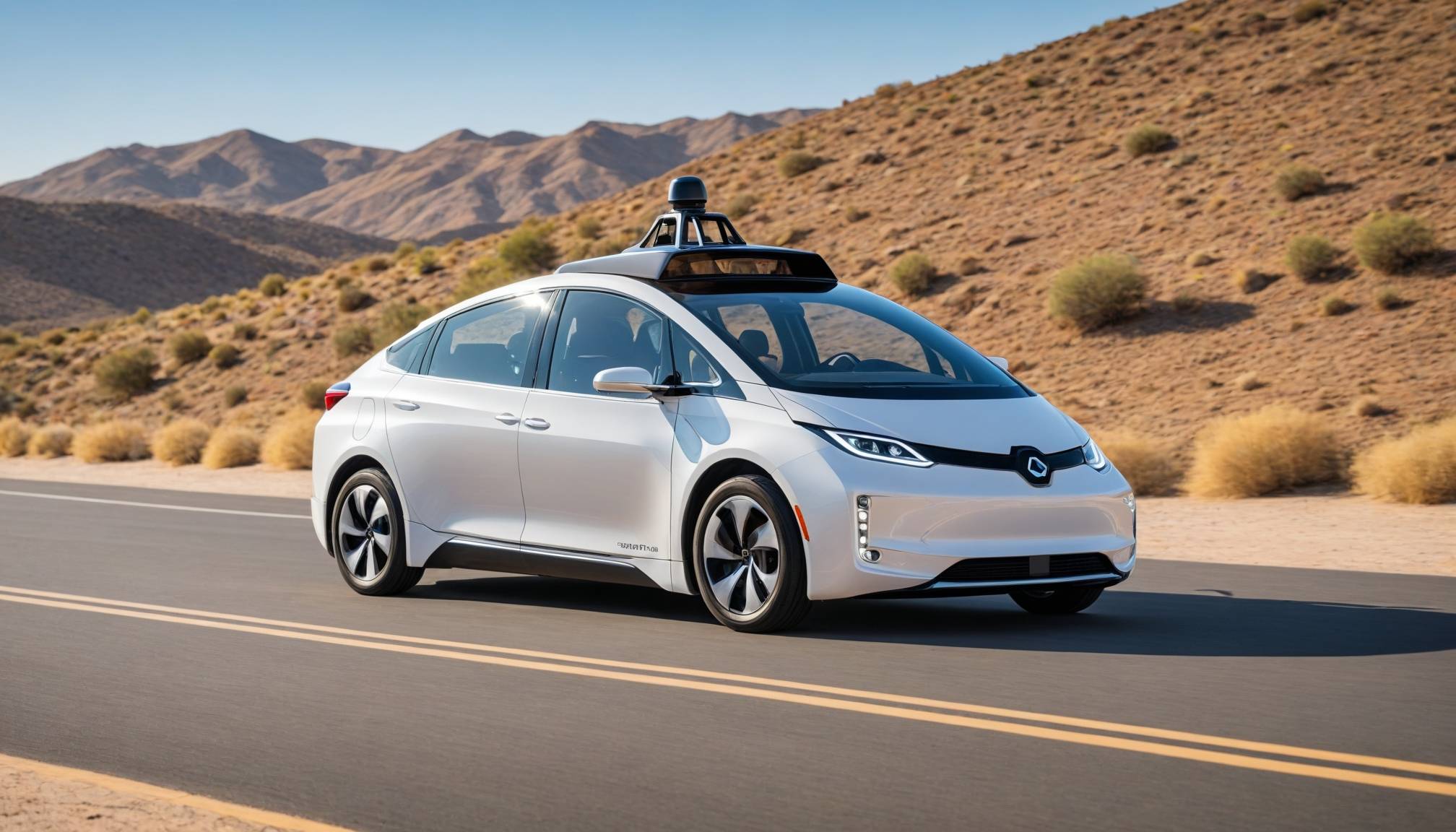
Autonomous Vehicles: Driving the Future of Transportation
Autonomous vehicles, often referred to as self-driving cars, are no longer a concept of the distant future. With rapid advancements in technology, these vehicles are transforming the landscape of transportation, promising to enhance safety, efficiency, and convenience. In this comprehensive article, we explore the world of autonomous vehicles, their benefits, applications, challenges, and the future they herald.
What Are Autonomous Vehicles?
Autonomous vehicles are equipped with advanced sensors, cameras, radar, and artificial intelligence (AI) systems that enable them to navigate and operate without human intervention. These vehicles rely on a combination of technologies such as machine learning, computer vision, and real-time data processing to perceive their environment, make decisions, and execute driving tasks.
Key Benefits of Autonomous Vehicles
1. Enhanced Safety
One of the most significant advantages of autonomous vehicles is their potential to drastically reduce traffic accidents. Human error is a leading cause of accidents, and autonomous vehicles, with their precise sensors and algorithms, can mitigate this risk. They can detect obstacles, anticipate dangerous situations, and react faster than human drivers, thus enhancing road safety.
2. Increased Efficiency
Autonomous vehicles can optimize driving patterns, reduce congestion, and improve fuel efficiency. By communicating with each other and traffic management systems, they can maintain smooth traffic flow, reduce idle times, and minimize unnecessary acceleration and braking. This leads to more efficient use of road networks and lower emissions.
3. Greater Accessibility
Self-driving cars can provide mobility solutions for individuals who are unable to drive, such as the elderly and disabled. By offering greater independence and flexibility, autonomous vehicles can enhance the quality of life for these individuals and provide them with reliable transportation options.
4. Reduced Costs
In the long term, autonomous vehicles can lower transportation costs. They can be part of shared mobility services, reducing the need for personal car ownership. Additionally, the efficiency of self-driving cars can result in lower fuel and maintenance costs, making transportation more affordable.
Applications of Autonomous Vehicles
1. Ride-Hailing Services
Companies like Uber and Lyft are exploring the integration of autonomous vehicles into their ride-hailing fleets. This can lead to more efficient and cost-effective services, with the potential for reduced wait times and fares for passengers.
2. Public Transportation
Autonomous buses and shuttles are being tested in various cities around the world. These vehicles can offer reliable and consistent public transportation services, reducing the need for human drivers and potentially lowering operational costs.
3. Freight and Logistics
The logistics industry stands to benefit immensely from autonomous vehicles. Self-driving trucks can operate continuously without the need for rest breaks, improving delivery times and reducing labor costs. They can also enhance the safety and efficiency of long-haul transportation.
4. Emergency Services
Autonomous vehicles can be utilized in emergency situations to provide rapid response without putting human lives at risk. They can navigate hazardous environments, deliver medical supplies, and transport injured individuals to medical facilities efficiently and safely.
Challenges and Considerations
1. Technological Limitations
While significant progress has been made, autonomous vehicles still face technological challenges. Ensuring reliable performance in diverse and complex environments, such as urban areas with heavy traffic, adverse weather conditions, and unpredictable human behavior, remains a critical hurdle.
2. Regulatory and Legal Issues
The widespread adoption of autonomous vehicles requires comprehensive regulatory frameworks. Laws and regulations need to be updated to address liability, insurance, and safety standards specific to self-driving cars. Governments must collaborate with industry stakeholders to develop these frameworks.
3. Ethical Considerations
Autonomous vehicles raise ethical questions about decision-making in critical situations. For example, how should a self-driving car prioritize different risks in the event of an unavoidable accident? Developing ethical guidelines and programming these into autonomous systems is a complex and ongoing challenge.
4. Public Acceptance
Gaining public trust and acceptance is crucial for the success of autonomous vehicles. People need to feel confident in the safety and reliability of self-driving cars. This requires transparent communication, extensive testing, and gradual integration of autonomous vehicles into society.
The Future of Autonomous Vehicles
The future of autonomous vehicles is promising, with ongoing advancements in AI, sensor technology, and connectivity. As these technologies mature, we can expect to see wider adoption and integration of autonomous vehicles into various aspects of our daily lives. From urban mobility to long-distance transportation, self-driving cars are set to revolutionize the way we travel.
Conclusion
Autonomous vehicles are poised to transform the transportation industry, offering numerous benefits in terms of safety, efficiency, accessibility, and cost reduction. However, addressing the technological, regulatory, ethical, and social challenges is essential for their successful implementation. As we navigate this transformative journey, autonomous vehicles hold the potential to drive us towards a smarter, safer, and more sustainable future.