
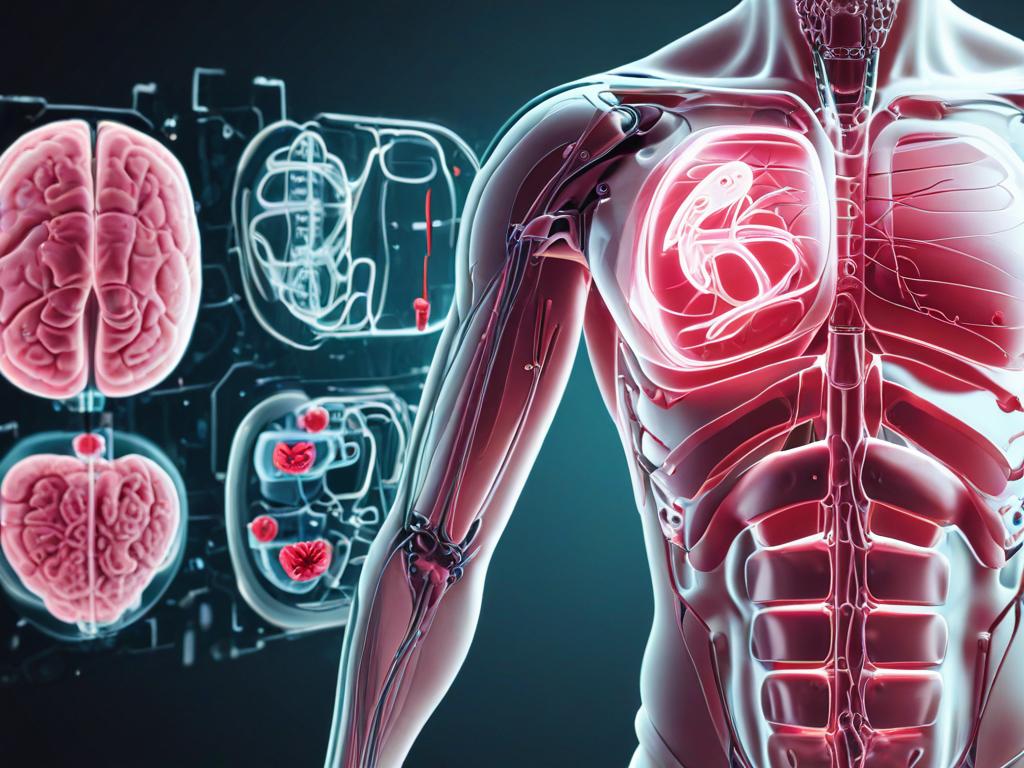
AI-Powered Healthcare
Transforming the Future of Medicine

AI-powered healthcare is revolutionizing the medical field, bringing about unprecedented improvements in diagnostic accuracy, personalized treatment plans, and patient outcomes. Leveraging machine learning algorithms, natural language processing, and vast amounts of data, AI technologies are set to transform every aspect of healthcare, making it more efficient, precise, and patient-centered.
Enhancing Diagnostic Accuracy
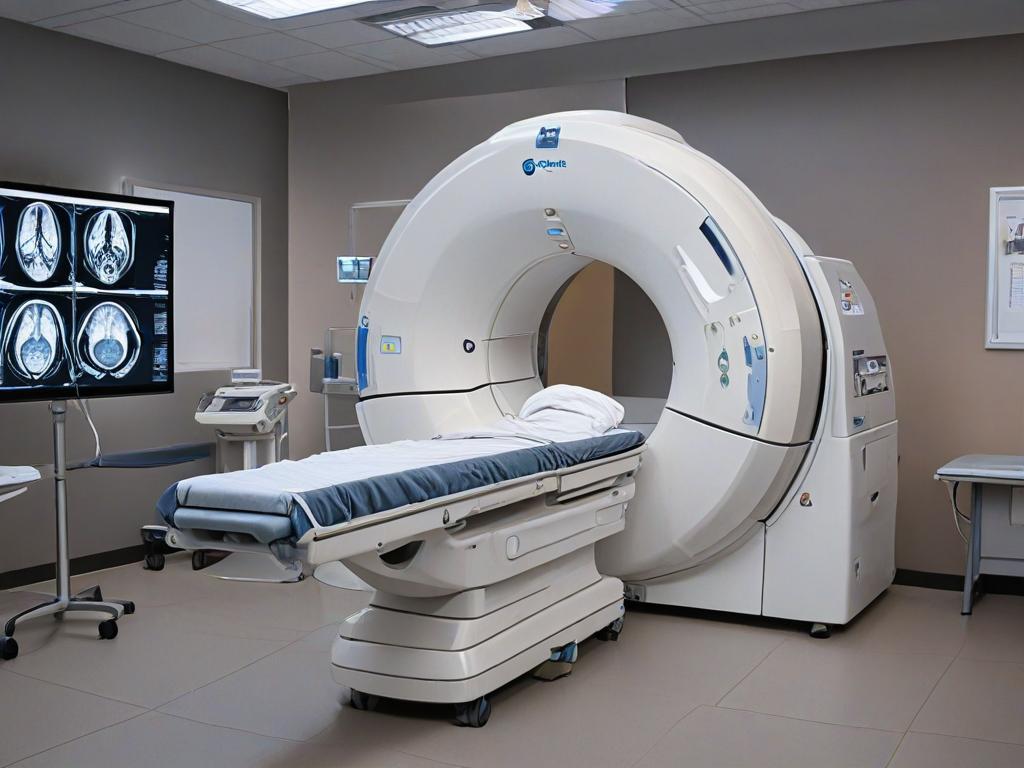
One of the most significant impacts of AI in healthcare is its ability to improve diagnostic accuracy. Traditional diagnostic methods often rely heavily on a physician’s expertise and experience, which, while invaluable, can be prone to human error. AI systems, however, can analyze vast amounts of data quickly and accurately. For instance, AI algorithms can interpret medical images such as X-rays, MRIs, and CT scans with high precision, often identifying anomalies that might be overlooked by human eyes. This capability is particularly crucial in the early detection of diseases like cancer, where early intervention can significantly improve patient outcomes.
Moreover, AI can enhance diagnostic processes through predictive analytics. By analyzing patterns in large datasets, AI can predict the likelihood of disease outbreaks, patient readmissions, or the development of chronic conditions. This predictive power allows for proactive measures, enabling healthcare providers to address potential issues before they escalate into more severe problems. For example, AI can help identify patients at risk of developing conditions like diabetes or heart disease, allowing for early lifestyle interventions and monitoring.
Personalizing Treatment Plans
AI’s role in personalizing treatment plans is another game-changer. Traditionally, treatment plans have often been one-size-fits-all, which may not be effective for every patient. AI can analyze individual patient data, including genetics, lifestyle, and medical history, to develop tailored treatment plans that are more likely to be effective. This personalized approach can improve patient outcomes by ensuring that treatments are specifically suited to the individual’s unique needs. For instance, in oncology, AI can help in selecting the most effective treatment protocols based on the genetic makeup of a patient’s tumor, thereby increasing the likelihood of successful treatment.
Streamlining Administrative Tasks

AI-powered systems can also streamline administrative tasks, reducing the burden on healthcare professionals and allowing them to focus more on patient care. Tasks such as scheduling, billing, and maintaining patient records can be efficiently managed by AI, leading to reduced operational costs and improved efficiency. Natural language processing (NLP) algorithms can assist in extracting relevant information from patient records and research papers, making it easier for physicians to stay updated with the latest medical advancements and apply them in their practice.
Enhancing Patient Care
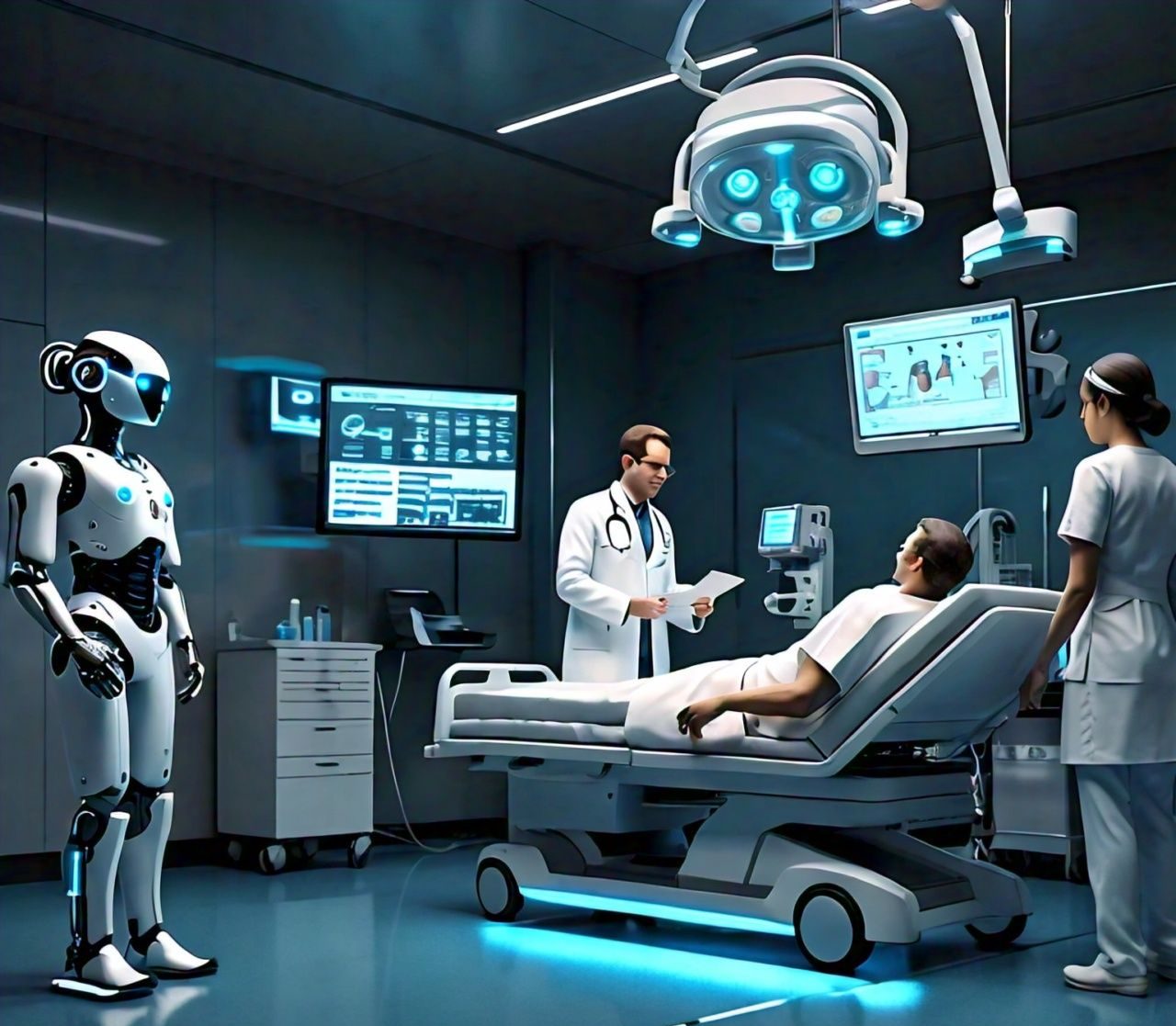
AI is revolutionizing patient care through virtual health assistants and chatbots. These AI-driven tools can provide patients with round-the-clock support, answering their queries, reminding them to take medications, and even helping them manage chronic conditions. This continuous support can enhance patient engagement and adherence to treatment plans, ultimately leading to better health outcomes.
Telemedicine, powered by AI, is another area experiencing significant growth. With AI, remote consultations can be enhanced through real-time data analysis and decision support. For example, AI can assist in triaging patients by evaluating symptoms and providing preliminary diagnoses, ensuring that patients receive timely and appropriate care. This capability is particularly beneficial in rural or underserved areas where access to healthcare professionals may be limited.
Addressing Challenges
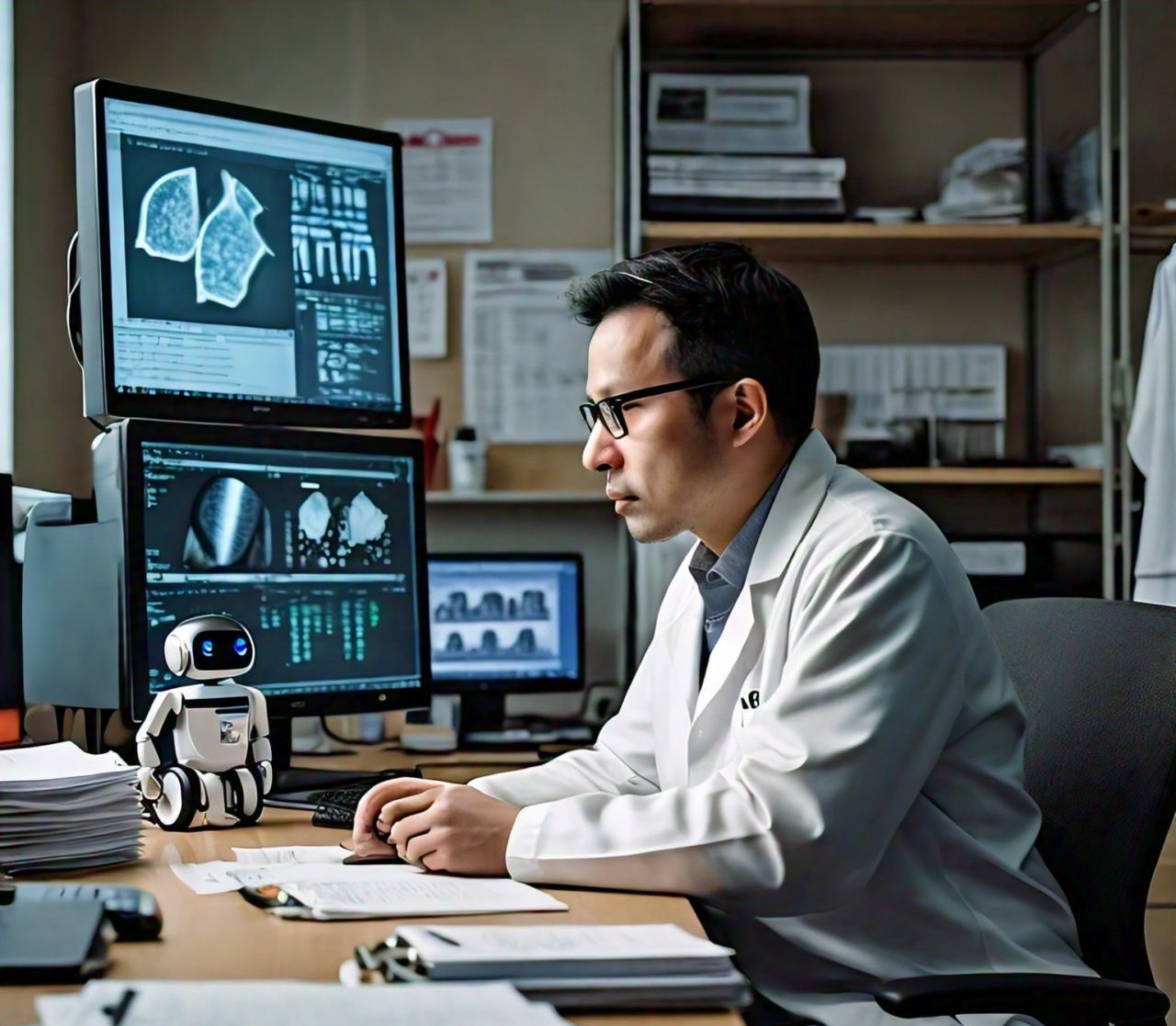
Despite the numerous benefits, the integration of AI in healthcare also poses challenges. Concerns about data privacy and security are paramount, as healthcare data is highly sensitive. Ensuring that AI systems comply with stringent data protection regulations is crucial to maintain patient trust. Additionally, there is the challenge of integrating AI with existing healthcare systems and workflows. Healthcare providers need to be adequately trained to use AI tools effectively, and there must be robust validation processes to ensure the accuracy and reliability of AI-generated insights.
Conclusion
In conclusion, AI-powered healthcare holds immense potential to transform the medical field by improving diagnostic accuracy, personalizing treatment plans, streamlining administrative tasks, and enhancing patient care. As AI technology continues to advance, its integration into healthcare systems promises to bring about a new era of efficiency, precision, and improved patient outcomes. However, addressing the challenges associated with data privacy, security, and integration will be crucial to fully realizing the benefits of AI in healthcare. The future of AI-powered healthcare is bright, and with careful implementation, it can significantly enhance the quality of care and the health of populations worldwide.
https://youtube.com/shorts/7mLeEn7F9Fg?si=1DSp1wk1JhAccX8C