

Understanding 5G Technology
Introduction to 5G
5G Technology or fifth-generation wireless technology, represents a significant leap from its predecessors (1G, 2G, 3G, and 4G). This new generation is designed to provide faster speeds, lower latency, and the ability to connect a massive number of devices simultaneously. As a cornerstone of future digital communication, 5G is expected to revolutionize various sectors, including healthcare, automotive, and entertainment.
Key Features of 5G
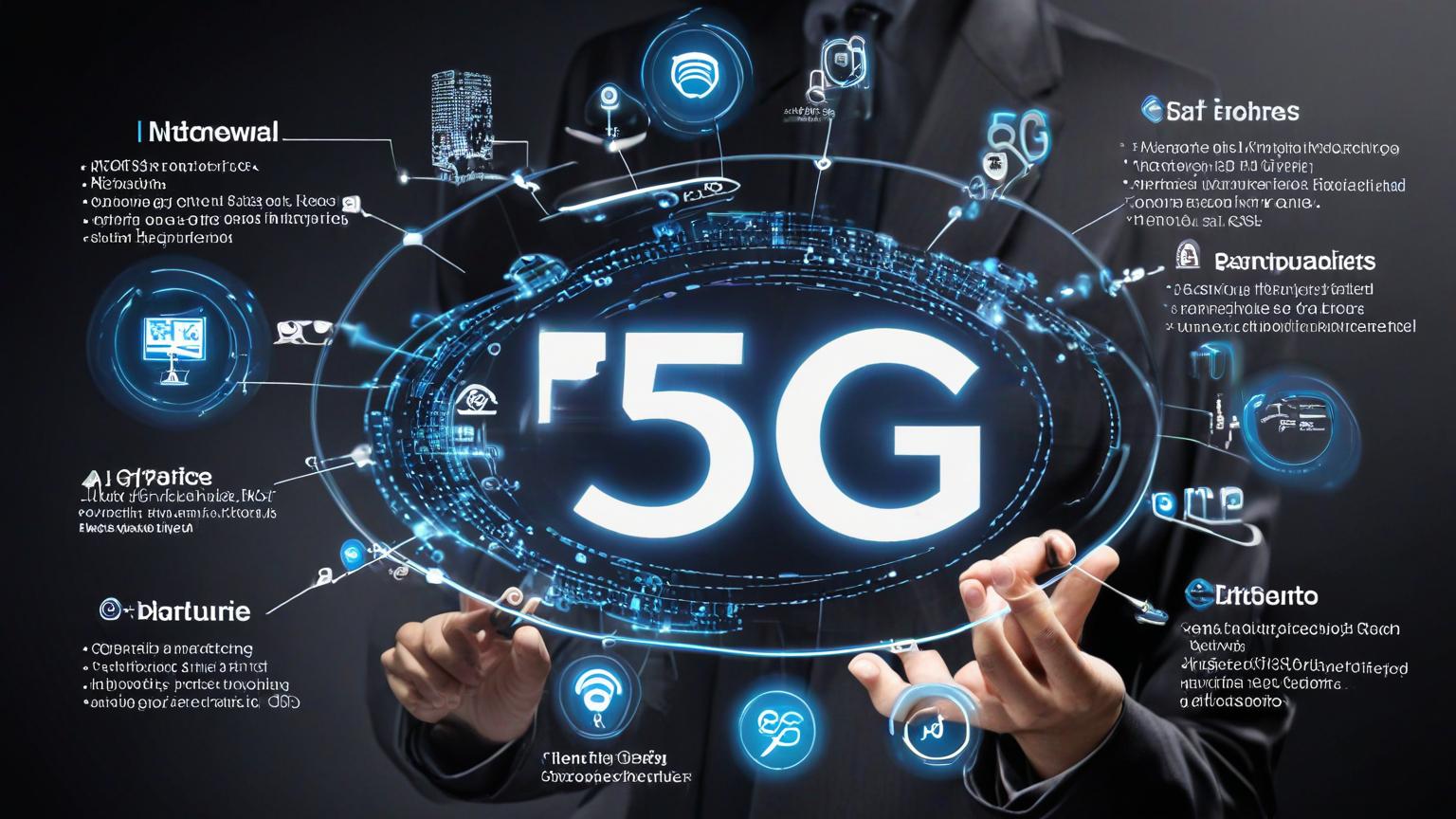
- Enhanced Speed: One of the most notable advancements of 5G is its speed. While 4G LTE can offer speeds of up to 1 Gbps, 5G has the potential to reach speeds of 10 Gbps or more. This dramatic increase allows for the rapid download of large files, seamless streaming of high-definition video, and smoother online gaming experiences.
- Low Latency: Latency refers to the delay before a transfer of data begins following an instruction. 5G aims to reduce latency to as low as 1 millisecond, compared to 30-50 milliseconds for 4G. This near-instantaneous communication is crucial for applications requiring real-time responses, such as autonomous driving, remote surgery, and virtual reality.
- Massive Device Connectivity: 5G is designed to support a much larger number of devices than previous generations. It can handle up to 1 million connected devices per square kilometer, making it ideal for the Internet of Things (IoT). This capacity will enable smart cities, connected homes, and industrial automation.
- Improved Reliability: With 5G, network reliability is expected to reach new heights. Enhanced reliability ensures stable and consistent connections, even in densely populated areas or in scenarios where uninterrupted service is critical, such as emergency services and critical infrastructure management.
- Energy Efficiency: 5G networks are designed to be more energy-efficient, potentially reducing the overall power consumption of network operations. This efficiency is crucial for the sustainability of growing data demands and the proliferation of connected devices.
Applications and Impact of 5G
- Healthcare: In the healthcare sector, 5G can enable remote surgeries through robotic systems controlled by surgeons in different locations. It also facilitates telemedicine, allowing for real-time consultations and diagnostics, which is particularly beneficial in remote or underserved areas.
- Automotive: 5G is a key enabler of autonomous vehicles. The low latency and high reliability allow for real-time communication between vehicles and infrastructure, enhancing safety and efficiency. It supports advanced driver assistance systems (ADAS) and vehicle-to-everything (V2X) communication.
- Entertainment: The entertainment industry stands to benefit immensely from 5G. It allows for the seamless streaming of ultra-high-definition content, virtual reality (VR), and augmented reality (AR) experiences. These advancements could transform gaming, live events, and interactive media.
- Industry and Manufacturing: 5G enables smart factories and Industry 4.0 by connecting machines, robots, and sensors. This connectivity enhances automation, predictive maintenance, and efficient resource management, leading to increased productivity and reduced operational costs.
- Smart Cities: 5G technology is integral to the development of smart cities. It supports infrastructure that can manage traffic, reduce energy consumption, and enhance public safety through real-time data analysis and responsive systems.
Challenges and Considerations
Despite its promise, 5G technology faces several challenges. The deployment of 5G infrastructure, including the installation of small cells and antennas, is expensive and complex. There are also concerns about security and privacy, as the increased connectivity and data flow could be vulnerable to cyber-attacks.
Additionally, the rollout of 5G varies globally, with some regions advancing more quickly than others. Regulatory issues, spectrum availability, and geopolitical factors also play significant roles in the pace of 5G adoption.
Conclusion
5G technology is poised to revolutionize how we connect and interact with the world. Its enhanced speed, low latency, and massive connectivity open up new possibilities across various sectors. While challenges remain in its implementation and adoption, the potential benefits of 5G are immense, promising a more connected, efficient, and innovative future.